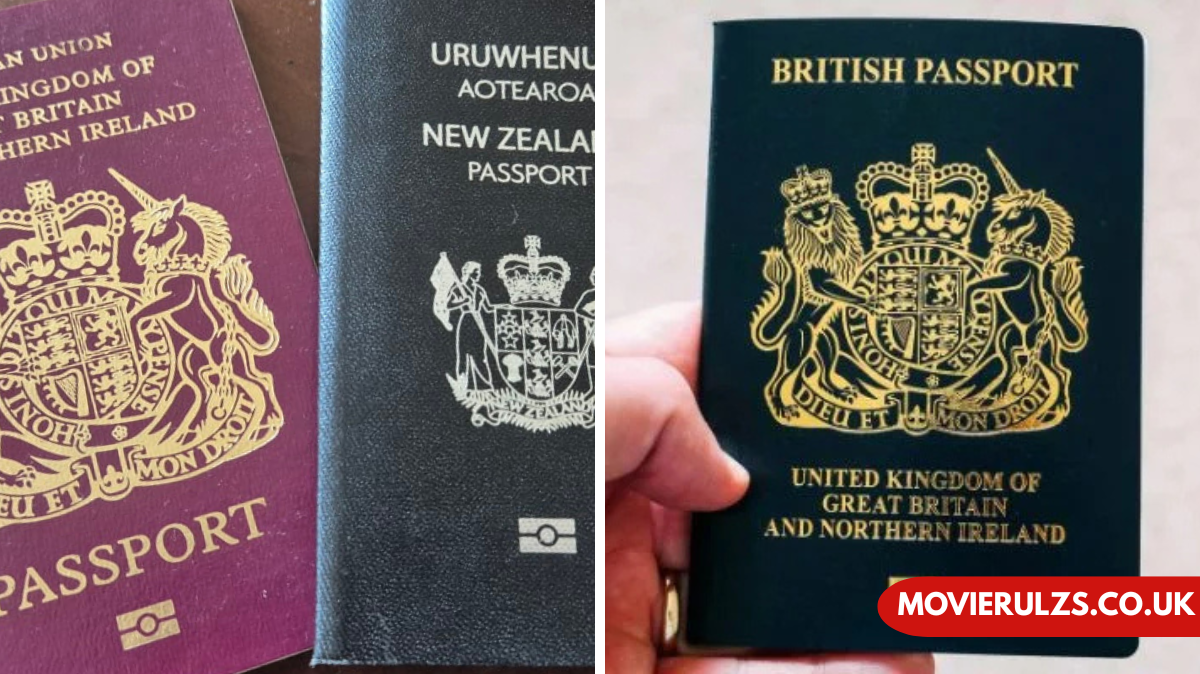
The UK passport rules dual citizenship have changed as of 25 February 2026, creating important implications for anyone holding British citizenship alongside another nationality. These rules directly impact travel, boarding procedures, and family planning for dual nationals. Understanding these regulations is essential to avoid denied boarding, travel disruption, or unnecessary financial costs.
This guide provides a detailed overview of the rules, accepted documentation, exceptions, practical steps for compliance, and answers to frequently asked questions. It is designed to give dual citizens a complete understanding of how to travel safely and legally to the UK under the new system.
Understanding Dual Citizenship in the UK
Dual citizenship, or dual nationality, occurs when a person is legally recognized as a citizen of the United Kingdom and another country simultaneously. The UK permits dual citizenship, which means British citizens do not need to renounce their other nationality, and foreign nationals can acquire British citizenship without giving up their original citizenship. This legal framework allows individuals to enjoy rights in both countries while maintaining strong cultural and familial ties.
While dual citizenship provides benefits, it also brings responsibilities, particularly regarding travel documentation. A dual citizen must understand how border authorities in both countries will recognize their citizenship status. For example, dual nationals often encounter complex rules when entering countries that require proof of primary nationality or right of abode.
The UK passport rules dual citizenship specifically address these responsibilities. They aim to clarify which documents a dual national must present when entering the UK. The rules are designed to prevent misunderstandings at the border and ensure that carriers can confirm a traveler’s right to enter before departure.
Why the UK Passport Rules Have Changed
Prior to 2026, dual nationals could often enter the UK using only their foreign passport, even if they were British citizens. The new regulations were introduced primarily because of the Electronic Travel Authorisation (ETA) system, which digitizes travel permission and requires pre-travel verification. Since dual citizens cannot apply for an ETA on their non-British passport, carriers must confirm citizenship using a British or Irish passport, or a Certificate of Entitlement.
The changes also aim to streamline border control. By requiring travelers to present verifiable proof of British citizenship before boarding, the government reduces administrative delays and ensures compliance with immigration law. This approach aligns the UK with other countries using electronic authorisation systems, such as the US ESTA or EU ETIAS.
Finally, security considerations play a key role. The rules prevent individuals from inadvertently traveling with insufficient documentation or using foreign passports to bypass entry regulations. Airlines, ferry operators, and rail carriers are legally obligated to check documents before boarding, making compliance essential to avoid denied boarding or fines.
Key Changes Effective from 25 February 2026
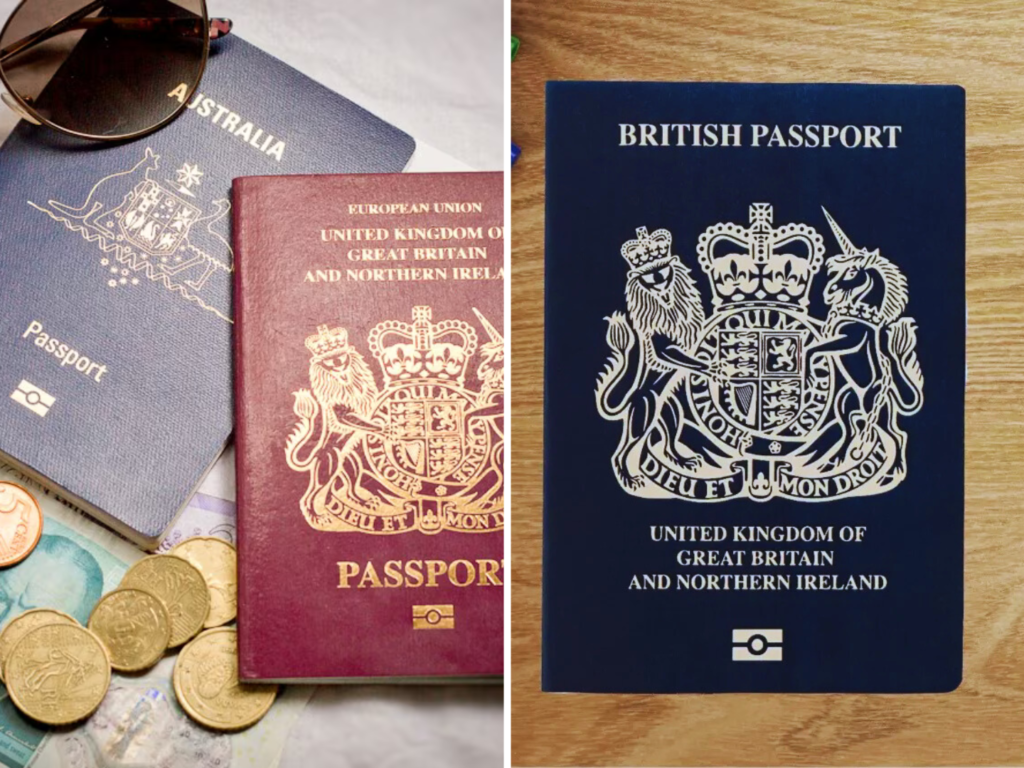
The most important aspect of the UK passport rules dual citizenship is the requirement for dual nationals to travel with the proper documentation. From 25 February 2026, individuals holding British citizenship and another nationality must present a valid British passport or a foreign passport accompanied by a Certificate of Entitlement to enter the UK. Failure to comply may result in denied boarding at airports, ferry terminals, or rail stations.
These rules apply universally, regardless of the dual national’s country of residence or frequency of travel. Children, families, and adults must all adhere to the same requirements, making early preparation critical. The rules also affect international travelers who previously relied solely on their foreign passport for UK entry.
Another major change involves the inability of dual nationals to use ETAs for entry. Previously, visa-free entry using a foreign passport was often sufficient. However, the ETA system is only available to non-British and non-Irish nationals. As a result, dual citizens must now carry documentation proving their right of abode, which ensures smooth processing and compliance with UK border law.
Accepted Documentation for Dual Citizens
1. British Passport
A valid British passport is the most straightforward way to comply with the new rules. It serves as an unequivocal proof of citizenship and allows seamless entry into the UK without requiring additional documentation. Most frequent travelers prefer this method because it eliminates the need for Certificates of Entitlement or complex verification.
Using a British passport also minimizes the risk of delays or denied boarding, as carriers are familiar with identifying British citizens. For families traveling with children, each minor should have their own passport to comply with regulations. Even if children hold dual nationality, a British passport ensures they are recognized as British citizens at border checkpoints.
Finally, applying for a British passport is generally faster and more cost-effective than obtaining a Certificate of Entitlement. Renewals or first-time applications are straightforward, and processing times allow travelers to plan trips well in advance without last-minute complications.
2. Irish Passport
Dual British-Irish citizens have an alternative option: using a valid Irish passport under the Common Travel Area (CTA) agreement. This arrangement allows Irish nationals to enter and reside in the UK freely, and it applies to those who hold both British and Irish citizenship.
The Irish passport provides flexibility, especially for travelers who may reside in Ireland or other countries within the European Union. Families and children can use Irish passports to avoid COE fees and simplify the travel process, as it provides equivalent rights to a British passport for entry purposes.
It is important, however, to ensure that the Irish passport is valid for the duration of travel. Carriers will check expiration dates and may deny boarding if the passport does not meet entry requirements. Irish passports thus remain a convenient option for dual citizens, particularly those who also maintain strong ties to Ireland.
3. Certificate of Entitlement in a Foreign Passport
For dual nationals who prefer to travel on a foreign passport, a Certificate of Entitlement (COE) is mandatory. This official document proves the right of abode in the UK and must be physically affixed to the foreign passport.
Obtaining a COE involves a formal application and a fee of approximately £589, which is considerably higher than a standard British passport renewal. It is valid for the life of the passport and must be reissued if the passport expires. COEs are especially relevant for dual nationals residing outside the UK who may prefer their foreign passport for international travel.
Carriers check COEs alongside the foreign passport before boarding. If the certificate is missing, expired, or incorrectly issued, travelers may be denied boarding. As such, the COE provides an official, but less convenient, method for proving British citizenship for entry purposes.
Why ETAs Cannot Be Used by Dual Citizens
The Electronic Travel Authorisation (ETA) system is designed for travelers who do not require visas to enter the UK. However, dual citizens are ineligible for ETAs, even when traveling on a foreign passport.
This ineligibility arises because ETAs are meant for non-British and non-Irish nationals. Boarding authorities cannot issue an ETA to someone who already holds British citizenship, as it would conflict with their legal status. Dual nationals attempting to rely on an ETA risk boarding denial.
As a result, dual citizens must carry either a British passport, an Irish passport, or a COE. Understanding this distinction is crucial to avoid confusion at airports, ferry terminals, or rail stations, and to ensure smooth travel under the new system.
Practical Implications of the New Rules
Boarding Risks
Airlines, ferries, and rail operators are legally obligated to verify documentation before departure. Dual nationals attempting to board with a foreign passport alone, without a COE, may be denied boarding. This is a major change from prior practice, when carriers often allowed boarding and verification occurred upon arrival in the UK.
Travelers must anticipate these risks and ensure all documentation is in order before departure. This is particularly important for families, minors, and frequent flyers, as missing or incomplete documents can disrupt travel plans and result in significant financial and logistical consequences.
Name and Documentation Consistency
Another practical concern involves name consistency across documents. Variations in names—common due to marriage, cultural differences, or legal naming conventions—may lead to discrepancies between passports and Certificates of Entitlement.
Travelers must ensure all documents match exactly. Discrepancies can result in denied boarding or additional verification procedures. For families, this means checking that every child’s name matches across passports and COEs to avoid complications at boarding.
Families and Children
The rules apply universally, including to children and dependent family members. Each minor must possess the appropriate documentation—a British passport, Irish passport, or COE—to enter the UK. Parents cannot rely solely on their own documents for minors.
Families traveling together must plan carefully to ensure each member is properly documented. This may involve simultaneous applications for passports or COEs and careful scheduling to ensure all documents are valid for the entire duration of travel.
How to Prepare for Travel
- Check passport validity: Ensure that your British or Irish passport is valid for the entire travel period. Expired documents will not be accepted.
- Apply early: For a British passport or COE, start the application well in advance. Processing times can vary, especially for first-time applications or renewals abroad.
- Verify name consistency: Ensure that names on all travel documents match precisely, particularly if a foreign passport and COE are used.
- Check airline requirements: Confirm that your carrier is aware of dual citizenship documentation rules to avoid boarding complications.
- Plan for families: Apply for passports or COEs for all minor travelers to ensure compliance with the new rules.
- Emergency contingencies: Keep emergency travel documents as a backup, but use them only when necessary, as they are valid for one-way travel only.
FAQs About UK Passport Rules Dual Citizenship
Q1: Can I enter the UK with only my foreign passport as a dual national?
A1: No. You must use a British passport, Irish passport, or a Certificate of Entitlement.
Q2: Are Irish passports valid for entry?
A2: Yes. Dual British-Irish citizens can enter using an Irish passport due to the Common Travel Area.
Q3: What is a Certificate of Entitlement?
A3: A COE is an official document proving your right of abode in the UK. It must be affixed to a foreign passport.
Q4: How much does a COE cost?
A4: Approximately £589.
Q5: Can children travel using their parent’s documents?
A5: No. Each child must have their own British or Irish passport or COE.
Q6: Can I use an ETA on my foreign passport?
A6: No. ETAs are not available for dual nationals.
Q7: What if names differ across documents?
A7: All documents must match exactly. Differences may result in denied boarding.
Conclusion
The UK passport rules dual citizenship reforms are a significant change for dual nationals. From 25 February 2026, dual citizens must carry either a British passport, Irish passport, or Certificate of Entitlement to enter the UK.
Airlines, ferries, and rail operators are required to verify documentation before boarding. Failure to comply may result in denied boarding, travel disruption, or additional costs. Families and minors are equally affected, and planning ahead is essential to ensure smooth travel.
By understanding these rules and preparing the necessary documentation, dual nationals can travel safely, legally, and without unnecessary complications. Early preparation, document verification, and awareness of COE and passport requirements are key to avoiding problems at the border.