A norovirus outbreak P&O cruise ship incident is every traveler’s nightmare. What begins as a luxury escape at sea can quickly turn into a stressful experience if gastrointestinal illness spreads onboard. Over the past few years, several P&O Cruises voyages have faced suspected or confirmed norovirus outbreaks, drawing widespread media attention and raising important questions about cruise ship hygiene, outbreak response, and passenger safety.
Cruise ships are unique environments. Thousands of guests and crew members share dining rooms, entertainment venues, pools, and living quarters in close proximity. When a highly contagious virus like norovirus enters that setting, containment becomes a logistical and medical challenge. This article explores how norovirus outbreaks occur on P&O cruise ships, what has happened in documented cases, how cruise lines respond, and what travelers should realistically expect.
Understanding Norovirus and Why It Spreads at Sea
Norovirus is one of the most common causes of acute gastroenteritis worldwide. It spreads easily and requires only a small number of viral particles to infect someone. Symptoms typically include:
- Sudden onset vomiting
- Watery diarrhea
- Stomach cramps
- Nausea
- Occasionally fever, chills, and body aches
Symptoms usually appear 12 to 48 hours after exposure and last one to three days. While most healthy adults recover without complications, dehydration can be serious, particularly for elderly passengers — a demographic common on cruise holidays.
The reason a norovirus outbreak P&O cruise ship scenario can escalate quickly lies in three key characteristics of the virus:
- It spreads through direct contact.
- It spreads through contaminated food or surfaces.
- It survives on hard surfaces for extended periods.
On a cruise ship, shared buffet utensils, handrails, elevator buttons, casino chips, and bathroom facilities become potential transmission points. Even with strong sanitation policies, constant human interaction makes containment difficult once the virus is introduced.
Documented Norovirus Outbreaks on P&O Cruise Ships
P&O Cruises, like many global cruise operators, has experienced outbreaks of gastrointestinal illness across its fleet. While not every case is laboratory-confirmed as norovirus, symptoms and transmission patterns often strongly suggest it.
P&O Ventura Gastrointestinal Outbreak
One of the most widely reported cases involved the P&O Ventura during a Canary Islands itinerary. Hundreds of passengers and crew members reported vomiting and diarrhea over the course of the voyage. At its peak, more than 500 individuals were believed to have experienced symptoms consistent with norovirus.
Passengers described confined conditions, isolation protocols, and disruption to onboard activities. Self-service buffets were reportedly restricted, increased sanitation measures were implemented, and ill passengers were instructed to remain in their cabins.
Following the voyage, enhanced deep-cleaning procedures were carried out before the next sailing. Legal claims were later filed by some passengers who alleged the outbreak significantly affected their holiday experience.
P&O Iona Reported Illness at Sea
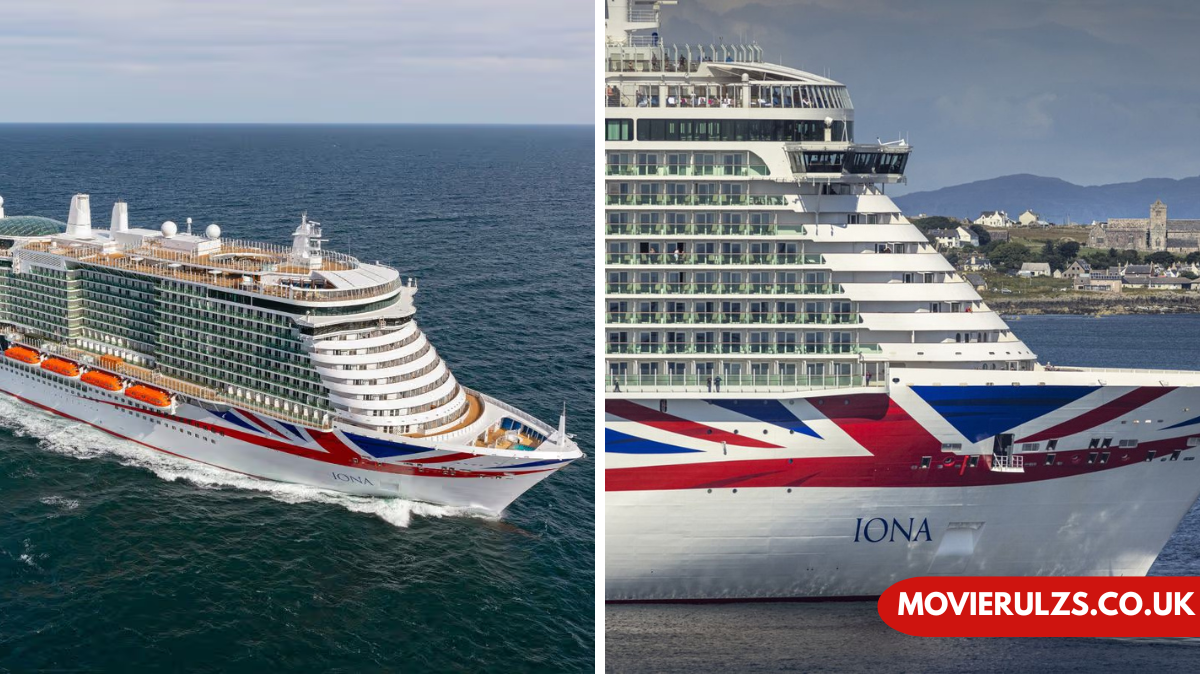
Another high-profile incident involved the P&O Iona during a Northern Europe cruise. Media reports quoted passengers claiming that people were “dropping like flies” due to gastrointestinal illness.
P&O Cruises confirmed that some guests experienced symptoms but stated that the percentage affected was relatively small compared to total passenger numbers. Regardless of official figures, the incident reignited discussion about hygiene practices, transparency in reporting, and how cruise lines manage communication during outbreaks.
In both situations, the phrase norovirus outbreak P&O cruise ship became widely searched online, reflecting growing traveler concerns about onboard health safety.
Why Cruise Ships Are Particularly Vulnerable
It is important to understand that norovirus outbreaks are not unique to P&O Cruises. The cruise industry as a whole faces heightened vulnerability due to structural and operational factors.
Close-Quarter Living
Cruise ships operate like floating cities. Thousands of people share air-conditioned spaces, narrow corridors, and communal dining areas. Physical proximity increases the likelihood of viral transmission.
Shared Dining Experiences
Buffet-style dining, while convenient and popular, poses higher risk if strict hygiene protocols are not maintained. Even when crew members serve food instead of passengers, contaminated surfaces can contribute to spread.
High Passenger Turnover
Cruise itineraries often include multiple embarkation ports. New passengers boarding at different locations can unknowingly introduce infection.
Seasonal Trends
Norovirus tends to surge during colder months in many regions. Cruises sailing during peak virus season may encounter higher risk if passengers embark already incubating illness.
These systemic factors explain why a norovirus outbreak P&O cruise ship situation can arise even when safety procedures are in place.
How P&O Cruises Responds to Norovirus Outbreaks
Cruise lines follow established outbreak response protocols aligned with international maritime health standards. When gastrointestinal illness cases exceed certain thresholds, additional measures are activated.
Immediate Isolation Procedures
Passengers reporting symptoms are typically asked to remain in their cabins for a specified isolation period, often 48 hours after symptoms resolve. Meals may be delivered directly to rooms to minimize contact.
Enhanced Sanitation
High-touch surfaces are disinfected more frequently using cleaning agents effective against norovirus. Public restrooms are monitored closely, and crew members may be assigned exclusively to sanitation duties during outbreaks.
Dining Modifications
Self-service buffets are often suspended. Crew members may serve all food directly to reduce shared contact points.
Medical Monitoring
Onboard medical teams track illness cases daily and coordinate with relevant health authorities when necessary. Data is reported according to maritime public health regulations.
Post-Voyage Deep Cleaning
After affected voyages, ships may undergo comprehensive deep-cleaning procedures before embarking new passengers.
These responses aim to minimize spread and restore safe conditions quickly. However, even with strong intervention, containment can be challenging once multiple cases appear.
Passenger Experience During an Outbreak
For travelers, a norovirus outbreak P&O cruise ship event can significantly disrupt what was intended to be a relaxing holiday.
Passengers who fall ill may face:
- Confined isolation in their cabins
- Missed shore excursions
- Interrupted dining experiences
- Anxiety about reinfection
Even those who remain healthy may notice changes onboard — crew in protective gloves, increased cleaning activity, limited buffet access, and public announcements reminding guests about hygiene.
In some documented cases, passengers have sought compensation, arguing that illness severely impacted their trip. Cruise lines evaluate such claims individually based on circumstances and contractual terms.
Public Health Oversight and Reporting
Cruise ships operating from or docking in certain countries are required to report gastrointestinal illness data to health authorities. Threshold reporting ensures that outbreaks are monitored, and guidance can be issued when needed.
Transparency varies depending on jurisdiction, but regulatory frameworks exist to track patterns of illness at sea. This monitoring helps identify systemic issues and ensures compliance with sanitation standards.
Importantly, cruise lines have financial and reputational incentives to control outbreaks quickly. A widely publicized norovirus outbreak P&O cruise ship incident can influence booking trends and public perception.
How Passengers Can Reduce Their Risk
While cruise operators implement prevention measures, passengers play a crucial role in reducing transmission.
Wash Hands Thoroughly
Handwashing with soap and water is significantly more effective against norovirus than alcohol-based hand sanitizer.
Avoid Touching Face Frequently
The virus spreads when contaminated hands contact the mouth.
Report Symptoms Immediately
Prompt reporting allows medical teams to isolate cases early and protect other passengers.
Practice Caution at Buffets
Even when staff serve food, avoid touching shared surfaces unnecessarily.
Stay Hydrated
If illness occurs, hydration is critical to prevent complications.
Travelers who take proactive hygiene measures substantially reduce their risk of infection.
The Broader Cruise Industry Context
Norovirus outbreaks occur across many cruise lines globally. The enclosed environment of ships makes them more visible when outbreaks occur, but norovirus is also common in hotels, schools, hospitals, and community settings.
Cruise ships often receive disproportionate attention because outbreaks are documented and reported publicly, whereas land-based outbreaks may not receive the same scrutiny.
Understanding this context is essential when evaluating a norovirus outbreak P&O cruise ship headline. While concerning, such incidents are not necessarily indicative of systemic negligence but rather the inherent transmission characteristics of the virus.
Balancing Risk and Reality
Cruise travel remains popular worldwide, with millions of passengers sailing annually without experiencing illness. When outbreaks do occur, they typically affect a minority of passengers relative to total onboard population.
Still, even a small percentage can translate into hundreds of cases due to ship size. The perception of widespread illness can spread faster than the virus itself through media coverage and social platforms.
The key takeaway is balance: norovirus outbreaks are real and disruptive, but they are also manageable with proper response and informed traveler behavior.
Conclusion
A norovirus outbreak P&O cruise ship event highlights the complex intersection of infectious disease control and leisure travel. Norovirus spreads rapidly in close environments, and cruise ships — by their very nature — present ideal conditions for transmission.
Documented cases involving P&O vessels demonstrate how quickly gastrointestinal illness can affect large groups of passengers. They also show how cruise lines respond with isolation, sanitation, and operational adjustments to contain outbreaks.
For travelers, awareness is the most powerful tool. Understanding how norovirus spreads, practicing strict hygiene, and responding promptly to symptoms significantly reduce risk. While no cruise line can guarantee zero illness, responsible health practices and effective outbreak management can make cruise vacations safe and enjoyable for the vast majority of passengers.
Ultimately, the discussion surrounding any norovirus outbreak P&O cruise ship should be grounded in facts, medical understanding, and realistic expectations — not fear. Cruise travel carries manageable health risks, and with proper precautions, it remains one of the world’s most rewarding ways to explore.