Smartphones have become the center of modern life. People use them for banking, messaging, shopping, work communication, and managing personal information. While this convenience has made daily tasks easier, it has also created new opportunities for cybercriminals. Security experts and law enforcement agencies are increasingly warning users about mobile threats that arrive directly through text messages.
One warning that has gained widespread attention is the FBI warning smartphone users delete messages that appear suspicious or contain unknown links. These alerts are part of a broader effort to protect the public from a surge in text-based cyber scams known as “smishing.”
Smishing attacks attempt to trick users into revealing sensitive information or clicking malicious links. These scams are becoming more sophisticated, more convincing, and more widespread. Many people do not realize how dangerous a single text message can be until it is too late.
Understanding why authorities issued the FBI warning smartphone users delete messages can help people recognize scams, protect their personal information, and prevent financial loss. This article explores how these scams work, why they are increasing, and what smartphone users should do to stay safe.
Understanding the FBI Warning Smartphone Users Delete Messages
The phrase FBI warning smartphone users delete messages refers to alerts issued by law enforcement and cybersecurity experts advising people to immediately remove suspicious text messages from their phones.
These messages often pretend to come from trusted organizations such as:
- Banks
- Delivery companies
- Government agencies
- Toll road services
- Technology companies
The goal of these messages is simple: convince the recipient to click a link or respond with personal information.
Once a victim interacts with the message, scammers may steal financial data, login credentials, or personal identity information. In some cases, clicking the link can even install malware on the phone.
Deleting suspicious messages immediately helps reduce the chance of accidentally clicking a malicious link later.
What Is Smishing and Why It Is Increasing
The Meaning of Smishing
Smishing is a type of cyberattack that combines SMS messaging with phishing techniques. While traditional phishing usually happens through email, smishing attacks occur through text messages.
The name comes from combining the words SMS and phishing.
In a smishing attack, scammers send messages designed to look legitimate. These messages often contain urgent requests or warnings meant to push the user into taking immediate action.
Why Smishing Has Become So Common
Several factors explain why smishing scams have grown rapidly in recent years.
First, nearly everyone owns a smartphone and checks text messages quickly. Unlike email, people often trust text messages because they assume they come from legitimate contacts.
Second, automated messaging tools allow scammers to send millions of messages at once. Even if only a small percentage of recipients fall for the scam, criminals can still earn large profits.
Third, cybercriminal groups have become more organized. Some operate like businesses, creating fake websites and running large-scale messaging campaigns.
These developments have made smishing one of the fastest-growing cyber threats targeting everyday smartphone users.
Types of Messages the FBI Warns Users to Delete
The FBI warning smartphone users delete messages focuses on several common categories of scam texts. Recognizing these patterns can help people identify suspicious messages quickly.
Fake Toll Payment Messages
One of the most widespread scams involves fake toll payment notices. These messages claim the recipient owes money for unpaid highway tolls.
The message usually includes a link where the payment can supposedly be made immediately. In reality, the link leads to a fake website designed to steal credit card information.
Delivery and Package Scams
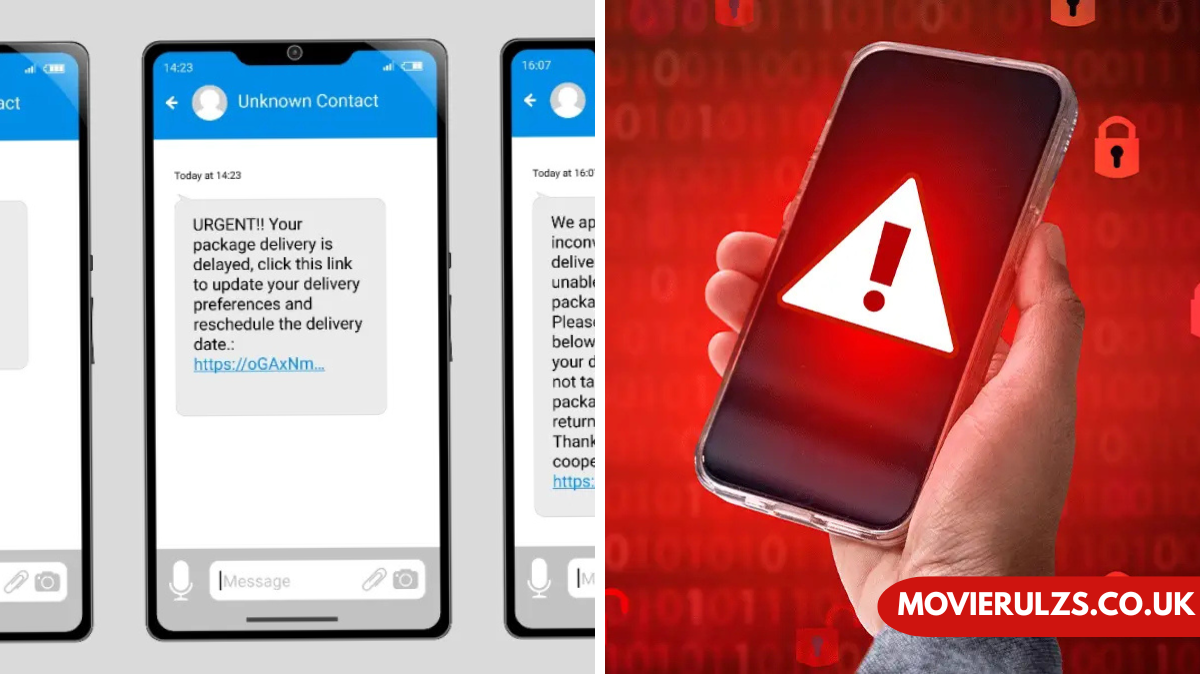
Another common scam pretends to be from shipping companies. The message claims a package cannot be delivered until the user confirms an address or pays a small fee.
Because online shopping has become so common, many people assume the message is legitimate and click the link.
Bank Security Alerts
Scammers often impersonate banks or financial institutions. These messages warn of suspicious activity on an account and urge the user to verify their identity.
Victims who enter their login information on the fake website unknowingly give criminals access to their accounts.
Government Agency Messages
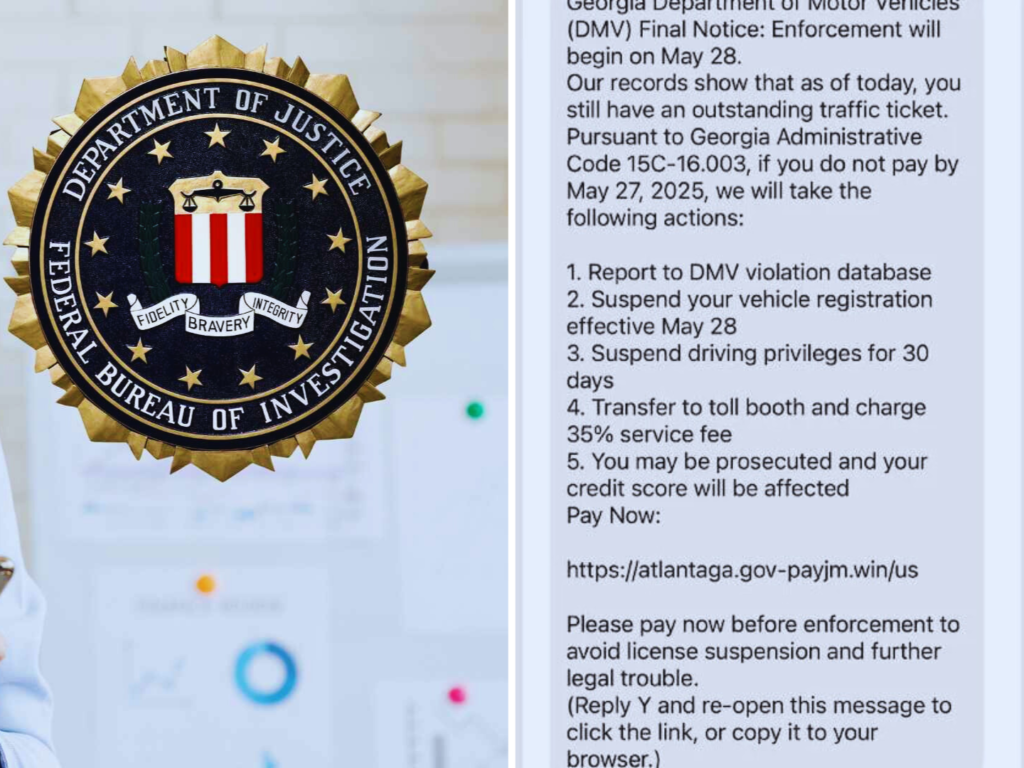
Some scams impersonate government offices such as tax authorities or transportation departments.
The messages may threaten fines, penalties, or legal consequences if the recipient does not act quickly.
These tactics rely on fear and urgency to pressure victims into responding without thinking carefully.
How These Scam Messages Work
Understanding the process behind smishing scams makes it easier to avoid becoming a victim.
Step 1: Sending Mass Text Messages
Scammers use automated systems to send huge volumes of text messages. Millions of numbers can be targeted at once.
The messages are intentionally generic so they can apply to almost anyone.
Step 2: Creating Urgency
The messages often include alarming phrases such as:
- “Immediate action required”
- “Your account will be suspended”
- “Final notice”
- “Payment required today”
This urgency pushes people to react quickly rather than verify the message.
Step 3: Redirecting to Fake Websites
When the user clicks the link, they are taken to a website that looks almost identical to a legitimate company’s page.
These fake websites are designed to collect information such as:
- Credit card numbers
- Bank login details
- Personal identification data
- Email passwords
Step 4: Data Theft or Malware Installation
Once criminals obtain this information, they can steal money, access accounts, or commit identity theft.
Some links may also trigger malware downloads that allow attackers to monitor activity on the device.
Why the FBI Advises Deleting Suspicious Messages Immediately
The FBI warning smartphone users delete messages emphasizes immediate deletion for several important reasons.
First, leaving a suspicious message on the phone increases the chance of accidentally clicking the link later.
Second, responding to scam messages can confirm that the phone number is active. This may cause the user to receive even more scam texts in the future.
Third, deleting the message removes the immediate risk and prevents further interaction with the scam.
Authorities also recommend reporting these scams to help investigators track criminal networks.
Signs That a Text Message May Be a Scam
Recognizing warning signs is one of the best ways to stay safe from smishing attacks.
Unexpected Messages from Unknown Numbers
If a message claims to come from a bank or company but arrives from an unfamiliar number, it should be treated with suspicion.
Suspicious Links
Scam messages often include links that look unusual or shortened. These links may contain strange characters or unfamiliar domain names.
Requests for Personal Information
Legitimate organizations rarely request passwords, credit card numbers, or personal identification details through text messages.
Urgent or Threatening Language
Messages that pressure the recipient to act immediately are often scams.
Poor Grammar or Unusual Formatting
Although many scams are becoming more sophisticated, some still contain spelling errors or awkward language.
How Smartphone Users Can Protect Themselves
The FBI warning smartphone users delete messages is only one part of a broader strategy for staying safe online.
Avoid Clicking Unknown Links
If a message comes from an unknown sender or contains a suspicious link, do not click it.
Verify Information Directly
If a text claims to be from a bank or company, visit the official website or contact customer support directly rather than using the link in the message.
Use Spam Filtering Tools
Many smartphones include built-in features that filter spam messages and warn users about suspicious links.
Keep Devices Updated
Regular software updates often include security improvements that protect against new threats.
Report Suspicious Messages
Reporting scams helps authorities track criminal activity and prevent others from becoming victims.
The Impact of Mobile Scams on Individuals and Businesses
Smishing attacks are not just minor annoyances. They can cause serious financial and emotional damage.
Individuals who fall victim to these scams may lose money, have their identities stolen, or face unauthorized charges on their accounts.
Businesses are also affected. When criminals impersonate legitimate companies, it damages trust and can harm the company’s reputation.
Cybersecurity experts estimate that billions of dollars are lost each year due to phishing and smishing attacks worldwide.
The Future of Smartphone Security
As technology evolves, both cybercriminals and security experts continue to adapt.
Attackers are using more advanced techniques, including artificial intelligence, to create highly convincing scam messages. These messages may mimic the writing style of real companies or include realistic branding.
At the same time, smartphone manufacturers and messaging platforms are developing improved spam detection systems. These technologies help identify suspicious messages before they reach users.
Public awareness remains one of the most important defenses. The more people understand about smishing scams, the harder it becomes for criminals to succeed.
Frequently Asked Questions
What does the FBI warning smartphone users delete messages mean?
It refers to cybersecurity alerts advising people to remove suspicious text messages from their phones because they may contain phishing links or malicious content designed to steal personal information.
Are unopened scam messages dangerous?
Simply receiving a scam message usually does not harm the phone. However, clicking the link or responding to the message can expose the user to scams or malware.
What should I do if I clicked a suspicious link?
If you clicked a suspicious link, immediately change your passwords, check financial accounts for unusual activity, and run security scans on your device.
Why do scammers use text messages instead of email?
Text messages often appear more trustworthy and are opened quickly. This makes them an effective method for reaching large numbers of potential victims.
Can blocking the number stop the scam?
Blocking the number can prevent further messages from that sender, but scammers often use multiple numbers. It is still important to remain cautious.
Conclusion
The FBI warning smartphone users delete messages highlights a growing cybersecurity threat affecting millions of people worldwide. Smishing scams are designed to exploit trust, urgency, and everyday smartphone habits in order to steal sensitive information.
These attacks often appear convincing, using realistic messages that imitate banks, government agencies, and delivery companies. A single click on a malicious link can lead to financial loss or identity theft.
Deleting suspicious messages, avoiding unknown links, and verifying information through official channels are simple but powerful steps that can prevent many scams.
As mobile technology continues to evolve, staying informed about emerging threats is essential. Awareness and caution remain the strongest defenses against cybercriminals targeting smartphone users.