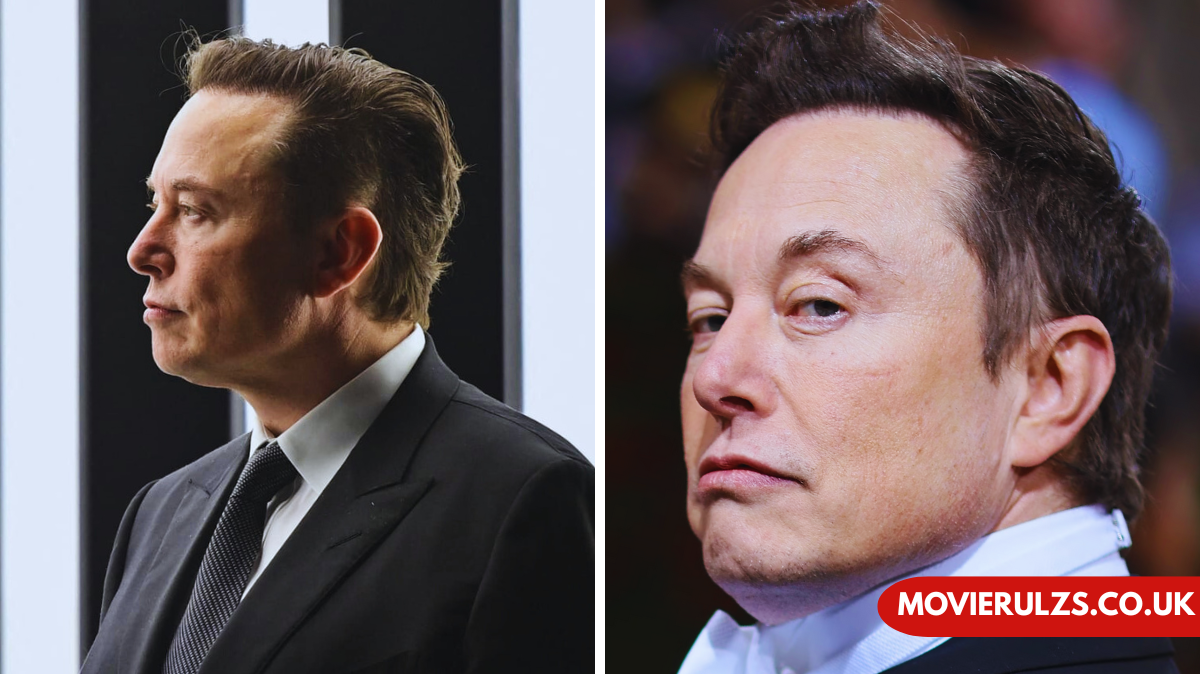
Elon Musk is one of the most recognized names worldwide — the billionaire behind Tesla, SpaceX, Neuralink, and X (formerly Twitter). But beyond his technological innovations, public curiosity has shifted to Elon Musk aging. At 54 years old, people are keen to understand how Musk is handling the effects of time, his health routine, and his perspective on longevity. This article dives deep into Elon Musk aging, offering verified information and insights for anyone curious about this topic.
Who Is Elon Musk and How Age Impacts Him
Born on June 28, 1971, in Pretoria, South Africa, Elon Musk has reached a point in life where aging is inevitable. Today, discussions about Elon Musk aging are not only about physical appearance but also mental and cognitive health. While Musk remains highly active in multiple companies, the pressures of leadership and innovation can contribute to signs of aging.
Elon Musk Aging: His Views on Longevity
Musk’s perspective on aging is unique. Unlike peers who invest in longevity research, he does not prioritize living as long as possible. Here’s what is known about Elon Musk aging from his own statements:
- Not Afraid of Death: Musk has openly said he is not fearful of dying and views aging as a natural process.
- Health Over Longevity: Musk focuses on quality of life rather than extreme lifespan extension.
- Societal Perspective: Musk has voiced concerns about population decline and believes aging populations can impact society.
These insights show that while Elon Musk aging is a topic of public fascination, he himself approaches it with pragmatism rather than obsession.
Visible Signs of Elon Musk Aging
Media observers have noticed changes in Musk’s appearance over the years. During interviews and public events, the signs of Elon Musk aging include:
- Deepening facial lines
- Occasional tiredness and stress-related appearance
- Slight changes in posture and speech pace
Experts suggest that these signs could be influenced by chronic stress, inconsistent sleep, and extreme workloads.
Lifestyle Factors in Elon Musk Aging
While genetics play a role, lifestyle significantly impacts Elon Musk aging:
Diet
Musk has a casual approach to food. He has tried vegetarianism but often indulges in donuts and fast meals. This lifestyle contributes modestly to visible signs of Elon Musk aging.
Exercise
Though Musk dislikes traditional exercise, he engages in weight training, treadmill workouts, and occasional martial arts. Regular physical activity helps slow some effects of Elon Musk aging.
Sleep
Musk usually sleeps about six hours nightly. Sleep deprivation is known to accelerate Elon Musk aging, affecting both appearance and cognitive function.
Stress and Workload: Key Drivers in Elon Musk Aging
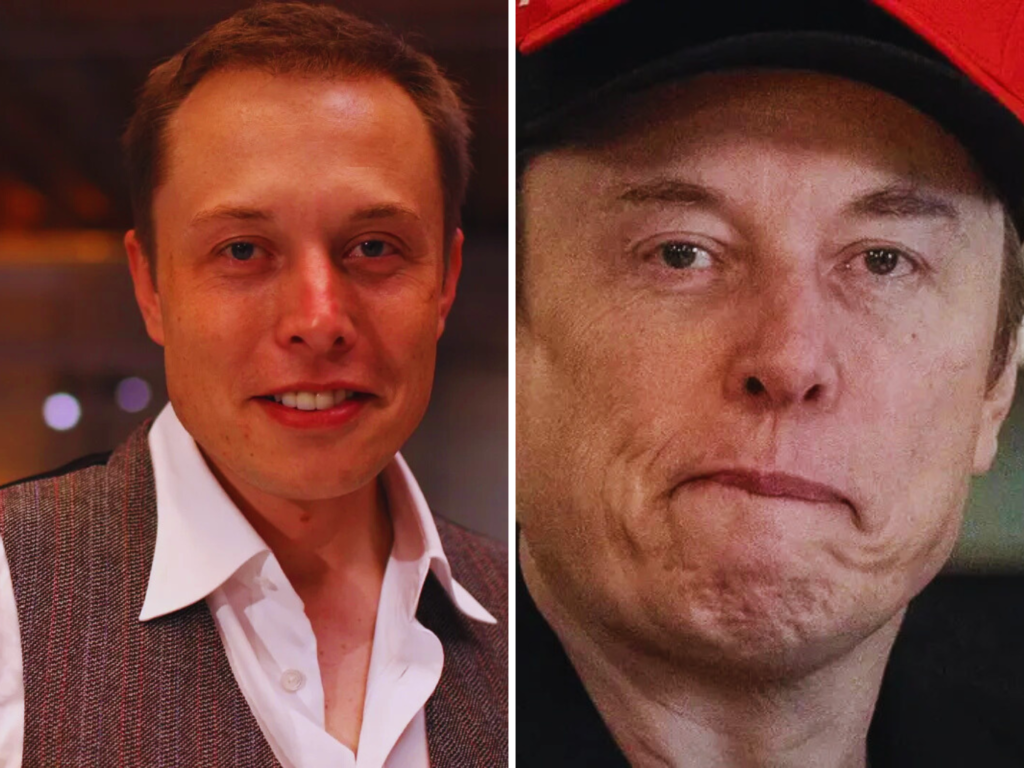
Running multiple companies, Musk works extreme hours. Chronic stress releases hormones that accelerate Elon Musk aging. Scientists note that stress can affect skin elasticity, immune function, and overall vitality. While Musk thrives under pressure, experts suggest that such intensity inevitably contributes to aging signs.
Scientific Perspective on Elon Musk Aging
Biological aging is affected by genetics, lifestyle, mental health, and environmental factors. In Musk’s case, these intersect with high-profile stress and irregular routines. Observers of Elon Musk aging note that his lifestyle choices, while effective for productivity, may accelerate some aspects of aging compared to peers with more balanced routines.
Elon Musk Aging: Mental and Cognitive Health
Cognitive health is an essential aspect of aging. Musk has maintained sharp decision-making and innovative thinking despite public speculation. Experts indicate that managing stress, maintaining physical health, and pursuing intellectually stimulating work can slow the cognitive component of Elon Musk aging.
Elon Musk Aging and Society
Beyond personal health, Musk often discusses the broader implications of aging populations. He believes that societal aging impacts economy, innovation, and leadership. As Musk ages, he continues to contribute actively to technological advancement, showing how Elon Musk aging does not necessarily limit productivity or vision.
Key Takeaways About Elon Musk Aging
- Elon Musk aging is visible but natural, influenced by lifestyle and workload.
- He prioritizes health and productivity over lifespan extension.
- Chronic stress and limited sleep accelerate signs of Elon Musk aging.
- Physical activity, even moderate, helps counteract some aging effects.
- Musk’s societal insights show that aging is not only personal but also collective.
Top 5 FAQs About Elon Musk Aging
1. How old is Elon Musk in 2026?
Elon Musk was born on June 28, 1971, making him 54 years old in 2026. Discussions about Elon Musk aging often start with his age.
2. Does Elon Musk fear aging?
Musk has stated that he is not afraid of aging or death, viewing it as a natural part of life. His stance contributes to how Elon Musk aging is perceived publicly.
3. Does Elon Musk follow a longevity plan?
Unlike some tech billionaires, Musk does not prioritize extreme longevity. His focus is health quality rather than stopping Elon Musk aging.
4. Are there visible signs of Elon Musk aging?
Yes. Media and experts have noted deeper facial lines, fatigue, and minor physical changes as part of Elon Musk aging.
5. What lifestyle factors affect Elon Musk aging?
Diet, exercise, sleep, and stress management all influence Elon Musk aging, though Musk’s approach leans toward minimal intervention and high workload.
Conclusion
Elon Musk aging is a fascinating topic because it combines biology, lifestyle, and public perception. At 54, Musk remains productive and innovative, but visible signs of aging are natural and expected. While he does not chase longevity like some peers, his life offers lessons about managing health, stress, and productivity. Understanding Elon Musk aging can provide inspiration for embracing both innovation and the natural process of growing older.