Introduction
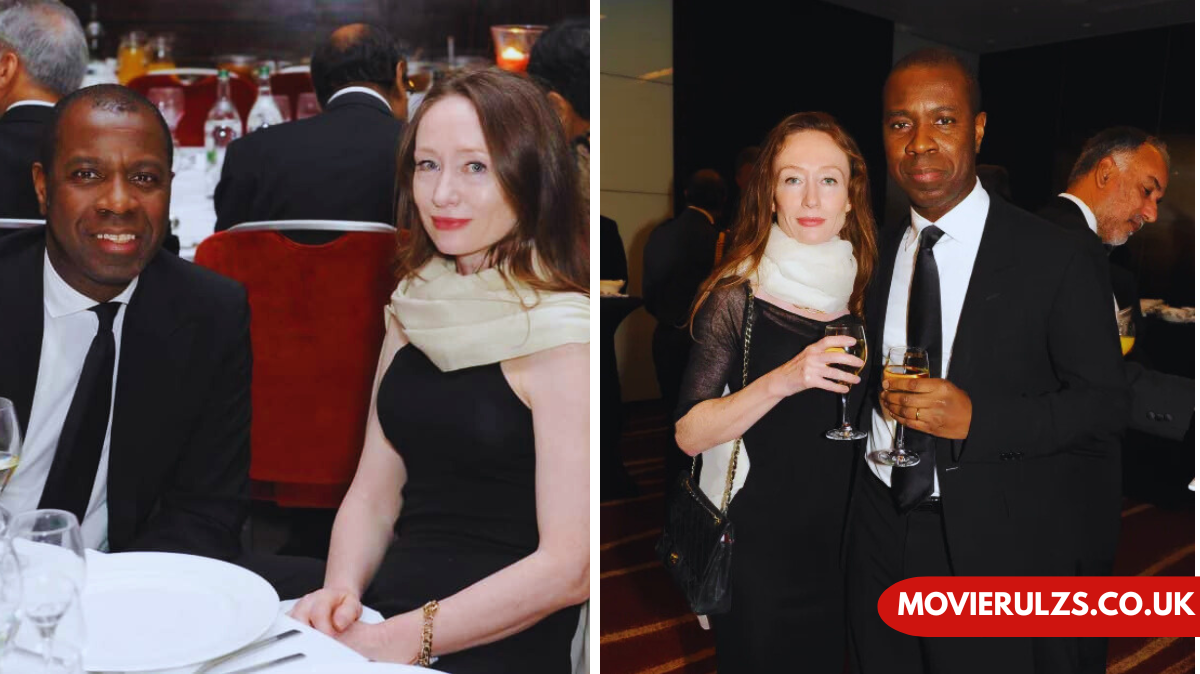
Catherine Myrie is best known to many people as the wife of renowned British journalist and television presenter Clive Myrie. However, defining Catherine Myrie solely through that connection overlooks a remarkable story of dedication, craftsmanship, and professional independence. While her husband’s career places him in front of millions of viewers around the world, Catherine Myrie has built a respected reputation in a very different field—furniture restoration and upholstery.
In an era where mass-produced furniture dominates homes and businesses, the art of restoring antique pieces requires rare skill, patience, and historical understanding. Catherine Myrie has spent years perfecting this craft, helping preserve furniture that reflects centuries of design, craftsmanship, and cultural history. Her work represents a growing movement that values sustainability, traditional skills, and the preservation of heritage.
Although she prefers to keep her life private, Catherine Myrie has gained increasing attention in recent years due to public curiosity about the people behind well-known media personalities. Yet those who look closer soon discover that Catherine Myrie’s life and career stand on their own merits. Her journey—from her early professional experiences to becoming a respected furniture restorer—demonstrates how passion and craftsmanship can shape a meaningful and fulfilling career.
This article explores Catherine Myrie’s life, career, personal values, and influence in depth, offering a complete picture of a woman whose work quietly preserves history while maintaining a life grounded in privacy and creativity.
Early Life and Background of Catherine Myrie
The early life of Catherine Myrie remains largely private, reflecting her long-standing preference for staying out of the public spotlight. Unlike many individuals connected to public figures, she has consistently avoided media attention and has rarely shared personal details publicly.
What is known is that Catherine Myrie was born in the United States in the late 1970s before eventually settling in the United Kingdom. Her upbringing reportedly involved a large family environment, which often fosters strong values around independence, collaboration, and resilience. Growing up among multiple siblings can shape a person’s character in meaningful ways, encouraging adaptability and interpersonal skills that later prove valuable in professional life.
Before discovering her passion for furniture restoration, Catherine Myrie pursued a career in publishing. The publishing world requires attention to detail, organizational discipline, and strong communication skills. Working in that environment likely helped her develop the patience and precision that would later become essential in her restoration work.
However, despite the intellectual appeal of publishing, Catherine Myrie eventually found herself drawn toward more creative and hands-on work. The transition from publishing to craftsmanship represents a major turning point in her life. Instead of working primarily with words and manuscripts, she began working with physical materials—wood, fabric, springs, and padding—transforming worn or damaged furniture into restored pieces of functional art.
This career shift would ultimately define Catherine Myrie’s professional identity.
Catherine Myrie’s Career in Furniture Restoration
Furniture restoration is a specialized craft that requires technical skill, historical knowledge, and artistic sensibility. Catherine Myrie has built her professional reputation in this field, focusing particularly on upholstery and the restoration of antique furniture.
Upholstery involves rebuilding and covering furniture with padding, springs, and fabric. While the concept may seem straightforward, traditional upholstery techniques are extremely complex. Many antique furniture pieces were originally constructed using methods that differ significantly from modern mass-production processes. Restorers must therefore understand both historical construction techniques and contemporary materials.
Catherine Myrie’s work involves carefully dismantling worn furniture, repairing internal structures, and rebuilding upholstery using materials that respect the original design. This process may include replacing broken springs, reinforcing wooden frames, and installing new padding before covering the furniture with high-quality fabric.
The goal of restoration is not simply to make furniture look new. Instead, skilled restorers aim to preserve the character and authenticity of the original piece. Each item tells a story about the period in which it was made, the materials available at the time, and the design preferences of its era.
Catherine Myrie’s commitment to these principles has earned her recognition within restoration circles. Her work reflects a careful balance between preservation and functionality, ensuring that restored furniture can continue to be used while maintaining its historical integrity.
The Craft of Upholstery and Restoration
To fully understand Catherine Myrie’s profession, it is helpful to explore the complexity of traditional upholstery and furniture restoration.
Unlike modern furniture assembly, restoration often begins with a complete evaluation of a piece’s structure and materials. A skilled restorer must examine the wood frame, joints, springs, padding, and fabric to determine which elements can be preserved and which must be replaced.
The restoration process usually involves several stages.
First, the restorer removes the existing upholstery materials. This step allows them to inspect the internal structure and identify damage that may not be visible from the outside.
Second, the wooden frame is repaired or reinforced if necessary. Antique furniture often contains hand-carved joints or glued connections that must be restored carefully to maintain structural integrity.
Third, new springs and padding are installed. Traditional upholstery often uses hand-tied springs and natural materials such as horsehair or cotton.
Finally, the piece is covered with fabric and finished with decorative details like trim or buttons.
Each step requires precision and patience. Even a single chair restoration can take many hours or days to complete.
Catherine Myrie’s dedication to these techniques reflects a broader commitment to preserving craftsmanship that might otherwise fade in a world dominated by automated manufacturing.
Relationship With Clive Myrie
While Catherine Myrie has built a professional life of her own, public interest in her biography often relates to her marriage to Clive Myrie.
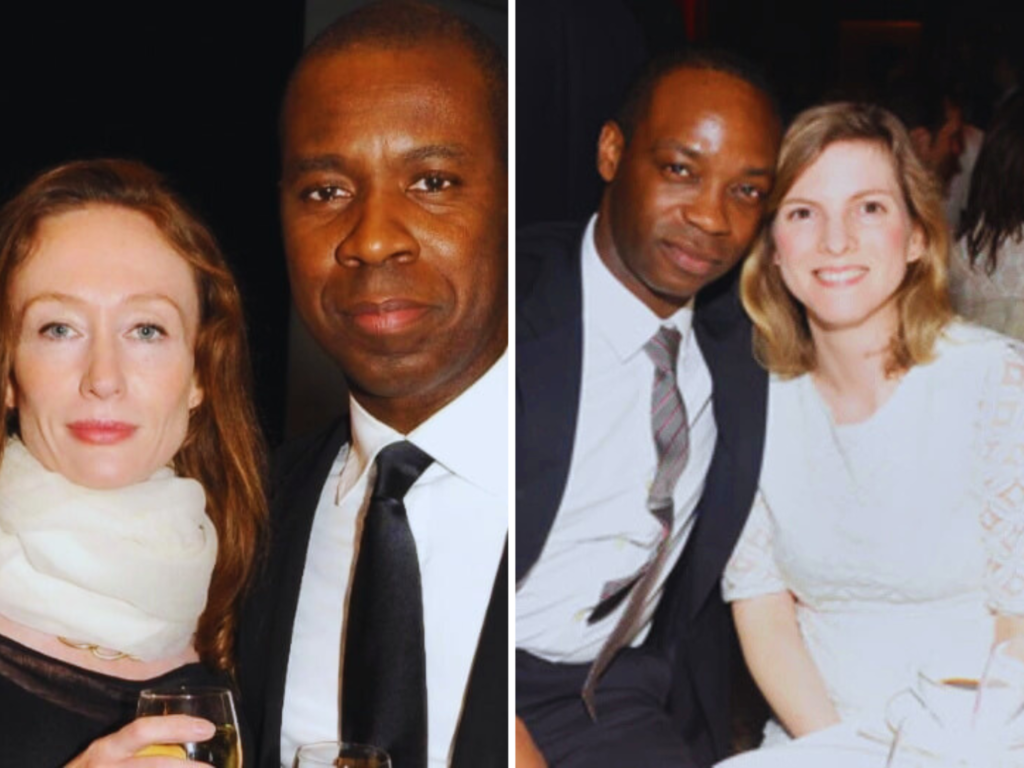
Clive Myrie is a highly respected journalist and broadcaster who has worked for the BBC for many years. His career includes international reporting from conflict zones, major political events, and global crises. He has also become widely recognized as a presenter of the popular television quiz show Mastermind.
The couple first met in London in the early 1990s at a publishing event focused on food writing and culture. At the time, Catherine was working in the publishing industry while Clive was developing his career as a journalist.
Their connection quickly grew into a long-term relationship, and they eventually married in the late 1990s. Since then, their marriage has lasted for decades—an impressive achievement given the demanding nature of international journalism.
Clive Myrie’s career has taken him to many dangerous and unpredictable environments around the world. War reporting and international news coverage often involve high levels of stress and long periods away from home.
Throughout this time, Catherine Myrie has provided stability and support while maintaining her own professional identity.
Their relationship demonstrates how two individuals with very different careers can build a strong and lasting partnership.
A Private and Balanced Lifestyle
One defining characteristic of Catherine Myrie’s life is her commitment to privacy. Despite being married to a well-known television personality, she rarely appears in public interviews or media events.
The couple lives in London and maintains a relatively low-profile lifestyle. Instead of pursuing public attention, Catherine Myrie focuses on her craft, personal interests, and shared activities with her husband.
This balance between public and private life is increasingly rare among individuals connected to media figures. Yet Catherine Myrie has consistently maintained clear boundaries between her personal life and public curiosity.
Friends and colleagues often describe the couple as grounded and supportive of each other’s ambitions. Their long marriage reflects mutual respect, independence, and shared interests in culture, travel, and the arts.
By prioritizing privacy and personal fulfillment over public recognition, Catherine Myrie demonstrates a lifestyle that many people find refreshing.
Professional Values and Craftsmanship
At the heart of Catherine Myrie’s career lies a deep respect for craftsmanship.
Furniture restoration is more than a technical trade—it is an artistic discipline that combines engineering, design, and historical knowledge. Restorers must understand how furniture was originally constructed and how materials age over time.
Catherine Myrie’s work reflects a commitment to preserving both the physical structure and the historical character of antique pieces. Instead of replacing old furniture with modern alternatives, restoration allows these objects to continue serving practical and aesthetic purposes.
This approach aligns with growing global interest in sustainability. Repairing and restoring furniture reduces waste and extends the life of valuable materials.
It also supports the idea that well-crafted objects deserve to be preserved rather than discarded.
By continuing to practice traditional upholstery techniques, Catherine Myrie contributes to the survival of specialized skills that might otherwise disappear.
The Cultural Importance of Furniture Restoration
Furniture restoration may seem like a niche profession, but its cultural significance is considerable.
Antique furniture reflects the artistic traditions and technological capabilities of different historical periods. Chairs, sofas, and cabinets from past centuries often contain unique craftsmanship that cannot be replicated easily by modern manufacturing.
When these pieces deteriorate, restoration becomes essential to preserving them for future generations.
Professionals like Catherine Myrie play a vital role in this process. Their expertise ensures that historical furniture remains functional and visually authentic.
Restoration also supports museums, theaters, and heritage institutions that rely on historically accurate furnishings.
In this way, Catherine Myrie’s work contributes not only to individual clients but also to broader cultural preservation.
Growing Public Interest in Catherine Myrie
Although Catherine Myrie prefers privacy, public interest in her life has grown over time.
As viewers around the world have become more familiar with Clive Myrie’s journalism and television appearances, curiosity about his family life has increased. This curiosity naturally led many people to learn more about Catherine Myrie and her professional work.
What they discover is a story that reflects dedication to craft rather than celebrity culture.
For many readers, Catherine Myrie represents a reminder that meaningful careers exist outside the spotlight. Her life shows how expertise, creativity, and patience can shape a professional identity that is both fulfilling and valuable to society.
Conclusion
Catherine Myrie is far more than the spouse of a well-known journalist. She is a skilled furniture restorer whose work preserves the craftsmanship and history embedded in antique furniture.
Through years of dedication to upholstery and restoration, Catherine Myrie has helped maintain traditions that connect the past with the present. Her work reflects both technical mastery and artistic appreciation for historical design.
At the same time, her life demonstrates the value of privacy, independence, and personal fulfillment. Rather than seeking attention, she has focused on building a meaningful career centered on craftsmanship and cultural preservation.
In a world where public visibility often overshadows quiet expertise, Catherine Myrie’s story stands as a powerful example of how dedication to craft can create lasting impact.
Her legacy lies not in headlines or television appearances, but in the carefully restored furniture pieces that continue to carry history into the future.