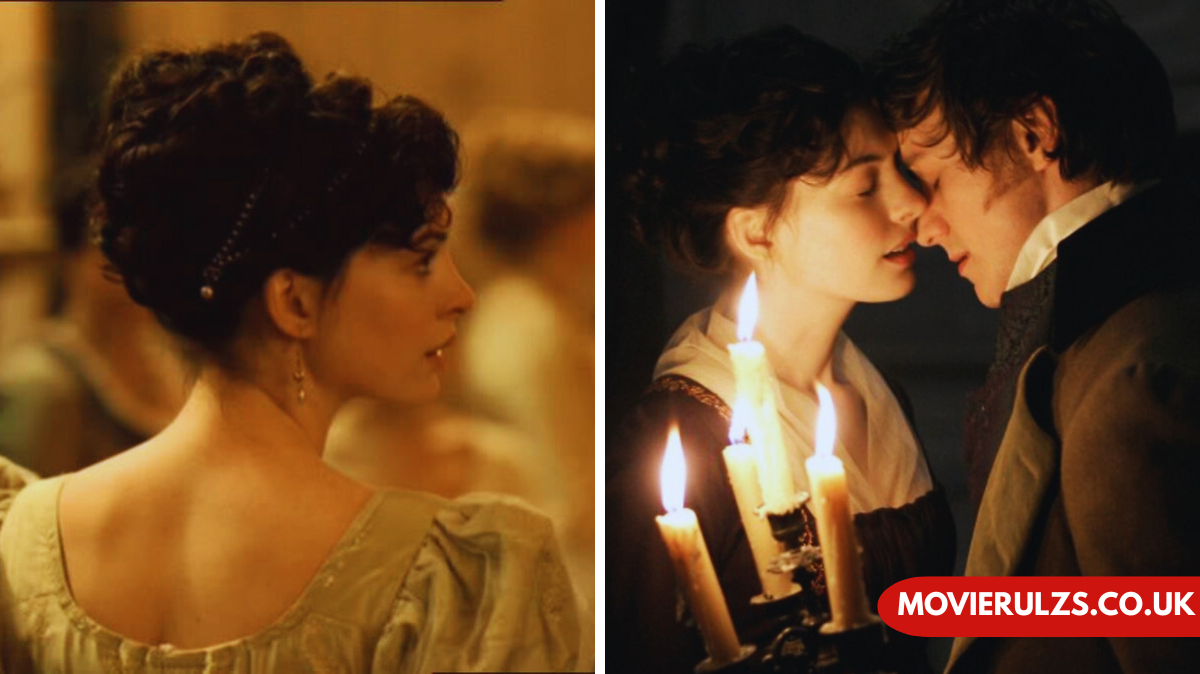
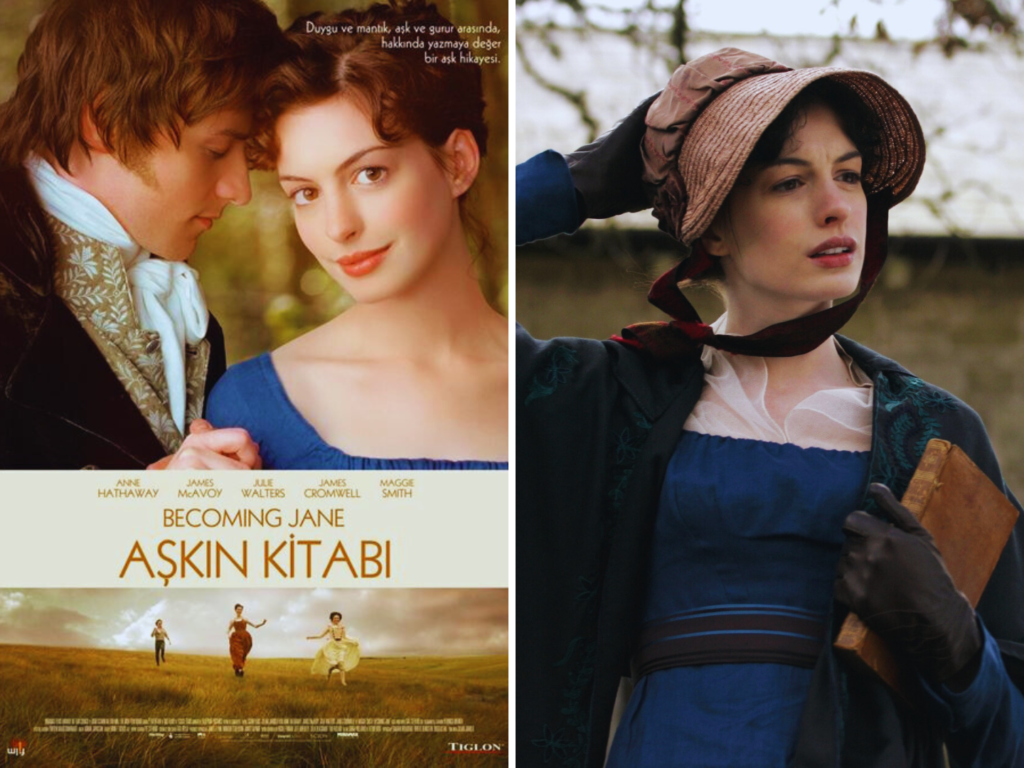
Becoming Jane is a captivating film that delves into the imagined early life of the legendary English author Jane Austen. Released in 2007 and starring Anne Hathaway as Jane Austen and James McAvoy as Tom Lefroy, this biographical romantic drama combines historical inspiration with cinematic storytelling. The film explores the formative experiences, romances, and societal pressures that may have shaped Jane Austen into one of the most celebrated novelists in English literature.
In this article, we will explore the story behind the movie, its historical accuracy, key themes, performances, reception, and enduring influence. By the end, you will have a complete understanding of why Becoming Jane continues to captivate audiences and inspire new generations of Austen fans.
What Is “Becoming Jane”?
Becoming Jane is a 2007 British-Irish film directed by Julian Jarrold, with a screenplay by Kevin Hood and Sarah Williams. It is loosely inspired by Jon Hunter Spence’s biography, Becoming Jane Austen (2003). The film is not a literal biography but instead a romanticized interpretation of Jane Austen’s early adulthood and her alleged romance with Tom Lefroy.
While the film takes creative liberties, it gives viewers insight into the challenges and societal constraints Jane faced in late 18th-century England. The story combines romance, intellectual engagement, and personal growth, creating a window into the influences that may have inspired Austen’s later writing.
The Plot of Becoming Jane
Set in the 1790s, Becoming Jane centers on Jane Austen, a spirited young woman constrained by social expectations and family responsibilities. Her parents, particularly her father, encourage her to marry for security rather than love, reflecting the rigid societal norms of the time.
When Jane meets Tom Lefroy, a charming young Irishman visiting the neighborhood, a deep connection forms between them. Their playful banter, shared wit, and mutual admiration create a budding romance, challenging Jane’s understanding of love, duty, and independence.
However, societal pressures and financial necessity eventually force Jane and Tom apart. The heartbreak and emotional growth Jane experiences are depicted as significant influences on her development as a novelist, reflecting themes that recur in her literary works.
Historical Accuracy: Fact vs Fiction
A frequent question is whether Becoming Jane accurately depicts real events. The answer is partially — the film blends historical fact with creative storytelling.
True Historical Elements
- Jane Austen met Tom Lefroy in the winter of 1795-1796. He was a young Irish law student visiting relatives.
- Letters to Cassandra Austen, Jane’s sister, mention Lefroy, describing his wit and flirtatious behavior.
Fictionalized Elements
- The film portrays a prolonged romance and deeper emotional attachment than historical evidence supports. Contemporary letters suggest their interaction was brief and playful, not a full-blown courtship.
- Dramatic scenes, such as secret meetings and intense emotional exchanges, are largely inventions for cinematic storytelling.
Ultimately, while Becoming Jane captures the emotional essence of youthful love and societal conflict, it should not be considered a literal biography.
Main Characters and Performances
The film’s charm lies in its strong performances:
- Anne Hathaway as Jane Austen: Portrays Jane as intelligent, witty, and independent-minded.
- James McAvoy as Tom Lefroy: Captures the charm and complexity of Jane’s supposed love interest.
- Julie Walters as Mrs. Austen and James Cromwell as Mr. Austen: Offer warmth and grounded perspectives as Jane’s supportive parents.
- Maggie Smith as Lady Gresham: Embodies the societal pressures and class distinctions that Jane navigates.
The chemistry between Hathaway and McAvoy drives the romantic plot, while the supporting cast highlights the tension between personal desire and social expectations.
Themes Explored in Becoming Jane
Becoming Jane delves into themes that are central both to the film and to Austen’s later novels:
Love vs Duty
Jane is torn between genuine affection for Tom and the practical need to secure her family’s future. The film emphasizes the tension between marrying for love and marrying for societal expectations.
Creativity and Inspiration
The story suggests that Jane’s personal experiences, particularly her emotional and romantic challenges, inspired her literary creativity. While speculative, it connects her life to the themes in Pride and Prejudice, Sense and Sensibility, and other novels.
Female Autonomy
Jane is portrayed as a woman challenging societal norms. Her struggle for intellectual and emotional independence resonates with modern audiences and reflects her enduring appeal as a literary figure.
The Setting and Cinematography
Much of Becoming Jane was filmed in Ireland, chosen for its well-preserved Georgian and Regency-era architecture. The visual style emphasizes period detail, from clothing and interiors to countryside landscapes, immersing viewers in Jane’s world.
The cinematography highlights the contrast between restricted social settings (indoors, crowded balls) and open spaces of freedom (gardens, countryside walks), symbolizing Jane’s inner desire for independence.
Music and Soundtrack
Composed by Adrian Johnston, the soundtrack is an elegant mix of classical music and evocative original scores. It enhances the emotional resonance of pivotal scenes and underscores the film’s romantic and introspective tone.
The music has been praised for its ability to evoke both the elegance of the Regency period and the intimacy of Jane’s personal experiences.
Reception and Legacy
Upon release, Becoming Jane received mixed to positive reviews. Critics appreciated the performances, costume design, and historical atmosphere, though some noted the liberties taken with historical accuracy.
Audiences, however, responded warmly, particularly fans of historical romance and Jane Austen enthusiasts. The film sparked renewed interest in Austen’s life and works, encouraging many viewers to explore her novels and biographies.
The film has since become a popular entry point for audiences new to Austen, often cited for its engaging portrayal of a young woman negotiating love and societal expectation.
Why Becoming Jane Remains Relevant
- For Jane Austen Fans: Offers a fictionalized glimpse into her formative years.
- For Romance Enthusiasts: Combines wit, charm, and emotional depth in a historical setting.
- For Film Lovers: Features strong performances, period-accurate production design, and lush cinematography.
The film’s continued relevance is also seen in its role in inspiring further research and discussion about Jane Austen’s early life, highlighting the intersection of history, imagination, and storytelling.
Impact on Popular Culture
Following the release of Becoming Jane, there was a noticeable increase in interest in Jane Austen-related content, from books and adaptations to online discussions. Publishers released new editions of her novels to coincide with the film, and fan communities embraced the story as a romanticized glimpse into Austen’s personal experiences.
The film also influenced fashion and literature, sparking renewed interest in Regency-era aesthetics and narratives exploring women’s agency and societal constraints.
FAQs About Becoming Jane
1. Is Becoming Jane a true story?
Becoming Jane is partly inspired by true events, especially Jane Austen’s acquaintance with Tom Lefroy. Most of the romantic plot and dramatic events are fictionalized.
2. Did Jane Austen and Tom Lefroy really fall in love?
Historical letters suggest playful flirtation but not a long-term romance. The film amplifies their relationship for narrative and emotional impact.
3. Does the film show how Jane Austen became a writer?
The movie implies that her life experiences influenced her creativity, but it does not depict her actual writing process.
4. Where was Becoming Jane filmed?
The movie was primarily filmed in Ireland, using locations that preserved the look of late 18th-century England.
5. Which novels did Jane Austen publish in her lifetime?
Jane Austen published Sense and Sensibility, Pride and Prejudice, Mansfield Park, Emma, Northanger Abbey, and Persuasion. These works are widely regarded as classics of English literature.
Conclusion
Becoming Jane offers a romantic and imaginative portrayal of Jane Austen’s early life, highlighting the experiences and emotions that may have influenced her literary masterpieces. The film successfully balances historical inspiration with cinematic storytelling, offering viewers an engaging experience of love, societal constraints, and personal growth.
Whether you are a dedicated Austen fan, a historical romance lover, or simply curious about the life of one of literature’s greatest authors, Becoming Jane remains a compelling and beautifully crafted film. Its exploration of love, duty, and creative inspiration continues to resonate, proving that Jane Austen’s legacy extends far beyond the pages of her novels.