Introduction
The incident involving easyjet flight u2238 emergency landing newcastle captured widespread attention, not because of catastrophe, but because it highlights how modern aviation responds when something unexpected happens mid-air. Emergency landings are often misunderstood as signs of danger, yet in reality, they are usually precautionary decisions made to protect passengers and crew.
In this case, easyJet flight U2238 diverted from its scheduled route and landed in Newcastle, prompting questions about safety, procedures, and what really unfolded onboard. This article takes a comprehensive, expert-level look at the event—breaking down the facts, explaining the aviation protocols involved, and offering meaningful insight into why such decisions are made.
What happened on easyjet flight u2238 emergency landing newcastle
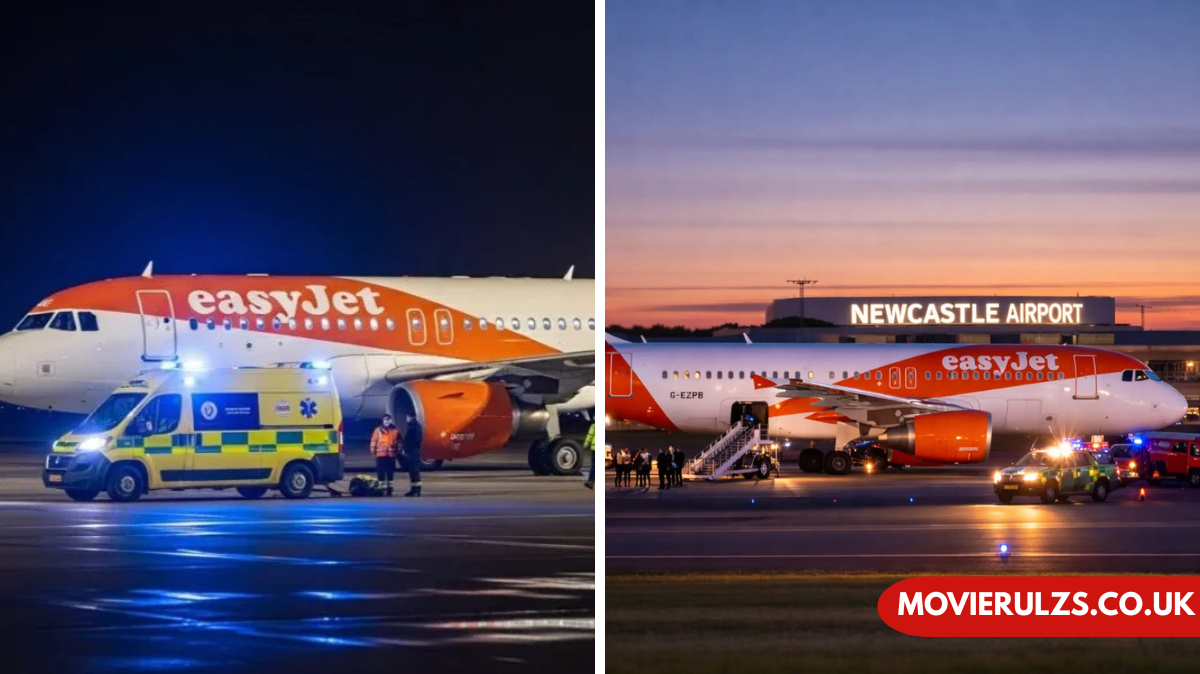
The easyjet flight u2238 emergency landing newcastle involved a commercial flight traveling from Copenhagen to Manchester. During the journey, the crew encountered a situation that required immediate attention, leading to a diversion from the original destination.
The cause of the emergency landing was a passenger medical issue. While such situations are not everyday occurrences, they are among the most common reasons aircraft divert mid-flight. The crew recognized that the passenger required urgent medical care beyond what could be provided onboard, prompting the decision to land at the nearest suitable airport—Newcastle.
The aircraft landed safely, and emergency medical teams were already prepared to assist upon arrival. The situation was handled professionally and efficiently, with no reported danger to other passengers.
Understanding emergency landings in commercial aviation
The phrase “emergency landing” can sound alarming, but it covers a wide range of scenarios—many of which are precautionary rather than critical.
What qualifies as an emergency landing
An emergency landing occurs when a pilot decides to land the aircraft earlier than planned due to:
- Medical emergencies
- Technical concerns
- Weather-related risks
- Security issues
In the case of easyjet flight u2238 emergency landing newcastle, the decision was driven purely by a medical situation.
Controlled vs. critical emergencies
Not all emergency landings are equal. Aviation professionals distinguish between:
- Controlled emergency landings: Planned diversions with stable aircraft conditions
- Critical emergency landings: Urgent situations involving mechanical or safety threats
This incident falls into the first category—a controlled, precautionary diversion.
Timeline of easyjet flight u2238 emergency landing newcastle
Departure phase
The flight departed from Copenhagen with a minor delay. At this stage, everything was operating normally.
In-flight development
At cruising altitude, a passenger became unwell. Cabin crew quickly assessed the situation and began providing assistance using onboard medical equipment.
Escalation and captain’s decision
As the passenger’s condition required more advanced care, the captain evaluated available options. The nearest appropriate airport was Newcastle, making it the logical choice for diversion.
Emergency landing in Newcastle
The aircraft was given priority clearance to land. Emergency services were on standby, ensuring a swift response once the plane touched down.
Post-landing procedures
After the passenger received medical attention, the aircraft resumed operations, eventually continuing to its original destination.
Why pilots divert flights for medical emergencies

The easyjet flight u2238 emergency landing newcastle demonstrates how seriously airlines treat passenger health.
Limited onboard medical capability
While aircraft carry medical kits and some crew members are trained in first aid, they are not equipped to handle severe or complex medical conditions indefinitely.
Time-sensitive conditions
Certain medical emergencies—such as heart attacks or severe respiratory issues—require immediate hospital treatment. Delaying care until reaching the original destination could be life-threatening.
Legal and ethical responsibility
Airlines have a duty of care toward passengers. Pilots are authorized—and expected—to prioritize human life above all else, including schedules and operational costs.
Role of the flight crew during the incident
Cabin crew responsibilities
Cabin crew act as first responders. During the easyjet flight u2238 emergency landing newcastle, they would have:
- Assessed the passenger’s condition
- Administered first aid
- Used onboard medical equipment
- Communicated with the cockpit
Pilot responsibilities
The flight deck crew handled:
- Navigation adjustments
- Communication with air traffic control
- Risk evaluation
- Execution of the diversion and landing
Their coordination ensured a smooth and safe outcome.
How air traffic control supports emergency landings
Air traffic control plays a crucial role in situations like the easyjet flight u2238 emergency landing newcastle.
Priority handling
Once notified, controllers give the aircraft priority over others in the airspace, allowing it to land as quickly as possible.
Coordination with airports
Air traffic control alerts the destination airport, ensuring emergency services are ready upon arrival.
Managing surrounding traffic
Other flights may be delayed or rerouted temporarily to accommodate the emergency landing.
Passenger experience during an emergency diversion
For passengers onboard, an unexpected landing can be unsettling—but procedures are designed to maintain calm and order.
Communication
Passengers are typically informed about the diversion with a brief explanation, avoiding unnecessary panic.
Cabin environment
Crew members remain visible and composed, which helps reassure passengers.
After landing
Passengers may experience delays, but airlines prioritize safety and provide assistance as needed.
In the case of the easyjet flight u2238 emergency landing newcastle, reports indicate that the situation remained controlled and calm throughout.
Safety systems that make such landings successful
The safe outcome of the easyjet flight u2238 emergency landing newcastle is the result of multiple layers of aviation safety.
Aircraft reliability
Modern aircraft are designed with redundant systems, meaning backup mechanisms are always in place.
Crew training
Pilots and cabin crew undergo extensive training, including simulations of emergency scenarios and medical incidents.
Airport preparedness
Airports maintain emergency response teams ready to act within minutes.
International safety standards
Global aviation authorities enforce strict regulations, ensuring consistency and reliability across airlines.
Broader implications of easyjet flight u2238 emergency landing newcastle
This incident reflects the strength of modern aviation systems rather than a failure.
Trust in aviation
Passengers can feel confident knowing that even unexpected situations are handled professionally.
Importance of quick decision-making
The captain’s decision to divert likely made a critical difference in the passenger’s outcome.
Operational flexibility
Airlines are equipped to adapt quickly without compromising safety.
Common misconceptions about emergency landings
“Emergency” means danger
In reality, many emergency landings—like the easyjet flight u2238 emergency landing newcastle—are precautionary and controlled.
Flights are at risk during diversion
Aircraft are fully capable of landing safely at alternate airports.
Emergency landings are rare due to problems
Most diversions occur due to external factors like medical issues, not aircraft faults.
FAQ: easyjet flight u2238 emergency landing newcastle
What caused the easyjet flight u2238 emergency landing newcastle?
The emergency landing was caused by a passenger medical emergency that required immediate treatment at a hospital.
Was there any danger to the aircraft?
No, the aircraft was operating normally. The diversion was precautionary.
Why was Newcastle chosen?
Newcastle was the nearest suitable airport with the facilities needed to handle the situation quickly.
Did the flight continue afterward?
Yes, after addressing the emergency, the flight continued to its original destination.
How often do medical diversions happen?
They are uncommon but not rare. Airlines are well-prepared to handle them safely.
Should passengers be worried about such incidents?
No. Events like the easyjet flight u2238 emergency landing newcastle demonstrate how effectively safety systems work.
Conclusion
The easyjet flight u2238 emergency landing newcastle is a powerful example of how modern aviation prioritizes safety, efficiency, and human life. While the term “emergency landing” may sound alarming, the reality is often far more reassuring.
In this case, a medical situation prompted a well-executed diversion, allowing a passenger to receive urgent care without compromising the safety of others onboard. The crew followed established protocols, air traffic control provided support, and the airport responded promptly.
Rather than highlighting risk, this incident underscores the reliability of aviation systems and the professionalism of those who operate within them. For passengers, it serves as a reminder that even when plans change unexpectedly, safety remains firmly in control.