Introduction
In recent years, cybercrime has rapidly shifted toward mobile devices, and one of the most concerning trends is the rise of FBI warning smishing texts. These deceptive messages appear as ordinary SMS notifications but are actually crafted by cybercriminals attempting to steal personal information, financial details, or login credentials.
Smishing—short for SMS phishing—has become a powerful tool for scammers because text messages feel immediate and trustworthy. Many people instinctively open texts without questioning their authenticity, especially if the message appears to come from a bank, delivery service, or government agency. Criminals take advantage of this behavior by sending messages that pressure recipients to click a link or provide sensitive information.
The FBI has repeatedly warned smartphone users about these scams because of their growing frequency and effectiveness. Victims have reported identity theft, financial losses, and compromised accounts after interacting with fraudulent messages. Understanding how these scams work and recognizing their warning signs can help prevent serious damage.
This comprehensive guide explains the meaning of FBI warning smishing texts, how these scams operate, why they are so dangerous, and what steps individuals can take to protect themselves.
What Are FBI Warning Smishing Texts?
The phrase FBI warning smishing texts refers to fraudulent text messages that the Federal Bureau of Investigation has warned the public about. These messages are sent by scammers pretending to represent legitimate organizations such as banks, government agencies, delivery companies, or payment services.
Smishing attacks rely on deception. The messages typically contain a link or request for information that leads victims to reveal sensitive data.
The main goals of these scams include:
- Stealing banking credentials
- Collecting credit card information
- Accessing online accounts
- Installing malware on smartphones
- Committing identity theft
Unlike email phishing, which many users have learned to recognize, smishing attacks exploit the fact that people tend to trust text messages more readily.
Because smartphones are always within reach, victims may react quickly to a message without verifying its authenticity.
Why the FBI Issued Warnings About Smishing
The FBI has issued multiple public alerts about smishing due to the rapid increase in mobile-based scams. Several factors have contributed to this growing threat.
Rapid Growth of Mobile Communication
Smartphones have become the primary device for communication, banking, shopping, and social networking. This means a single compromised device can expose a wide range of personal information.
Criminals recognize this opportunity and focus heavily on SMS-based attacks.
High Success Rate
Smishing scams have a surprisingly high success rate. Many people open text messages immediately and are more likely to trust them compared to emails.
Even a small percentage of victims responding to millions of messages can generate significant profits for cybercriminals.
Sophisticated Social Engineering
Modern scams are carefully designed using psychological tactics. Attackers create messages that trigger urgency, fear, curiosity, or financial concern.
Common examples include warnings about suspicious bank activity or unpaid bills.
These emotional triggers cause victims to act quickly rather than verify the message.
Easy Distribution
Sending mass text messages has become inexpensive and technically simple for criminals. Automated tools allow scammers to distribute thousands or even millions of smishing texts in a short period.
How Smishing Scams Work
Understanding the process behind smishing helps explain why these scams can be so effective.
Step 1: The Initial Message
The scam begins with a text message that appears legitimate. It may claim to be from:
- A bank
- A government agency
- A shipping company
- A toll service
- A mobile carrier
The message usually contains a short explanation and a link.
Example messages might say:
“Your bank account has been locked. Verify your identity here.”
“Delivery failed. Confirm your address immediately.”
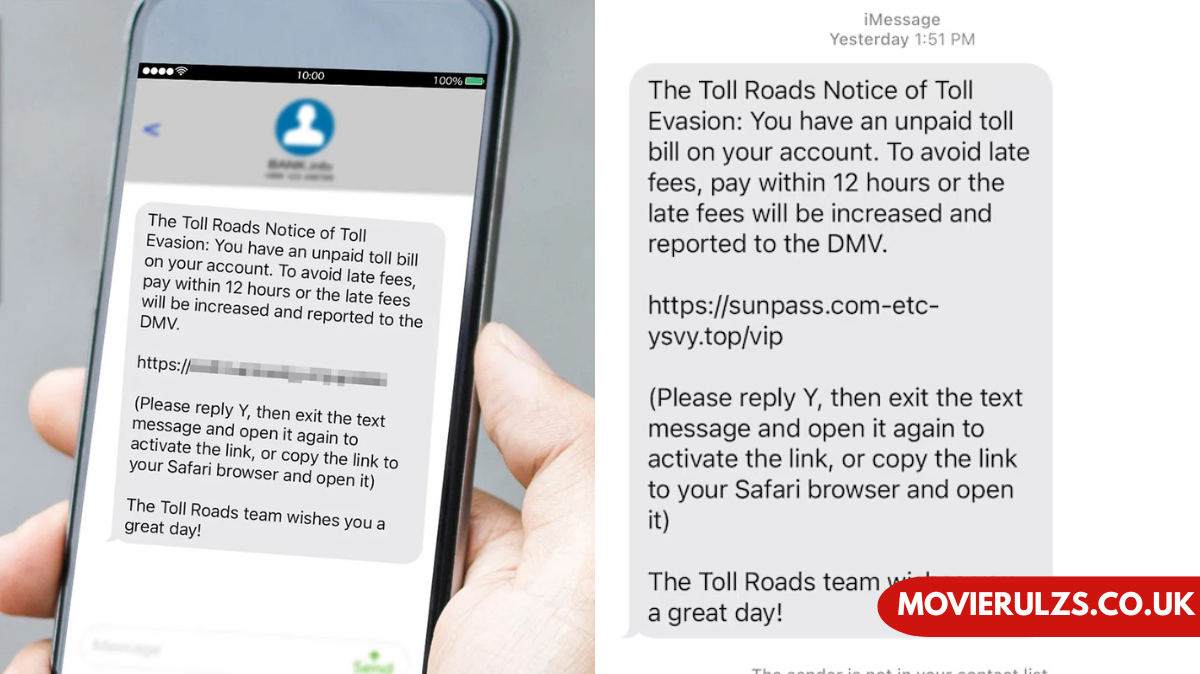
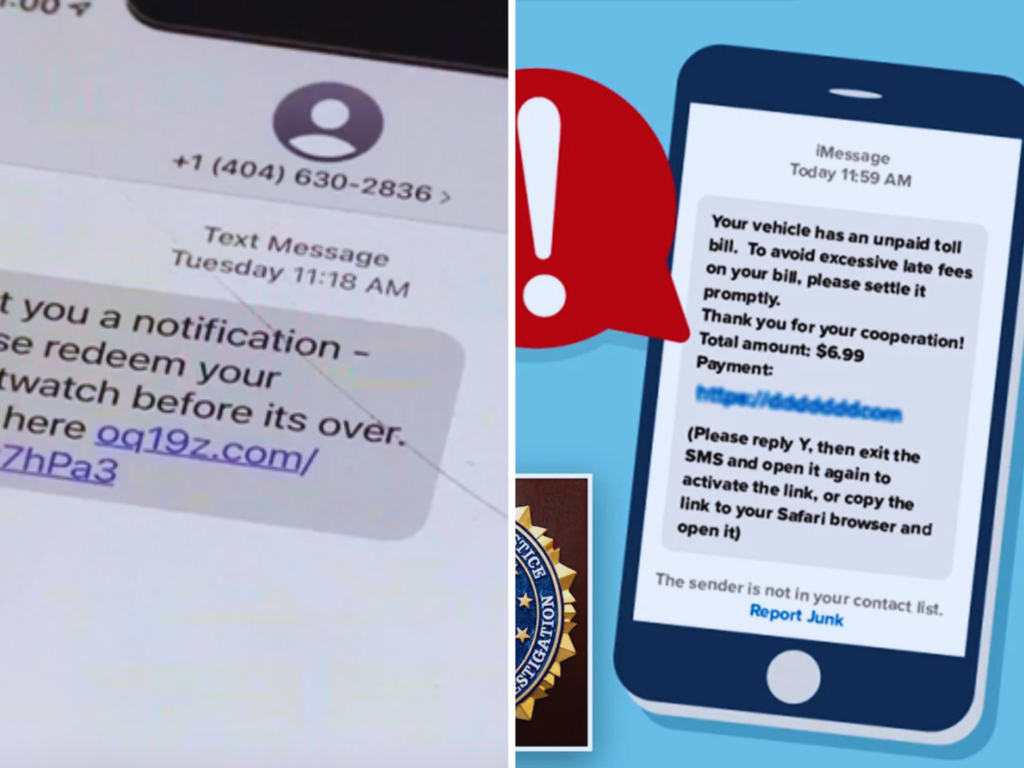
“Final notice: unpaid toll fee. Pay now to avoid penalties.”
These messages are intentionally short to create urgency.
Step 2: The Malicious Link
The text includes a link that directs the victim to a fake website designed to look like a real one. The website may imitate a bank login page or payment portal.
Victims who enter their information unknowingly send it directly to the attacker.
Step 3: Data Collection
Once criminals obtain personal data, they may:
- Access financial accounts
- Use stolen identities to open new accounts
- Sell personal data on dark web markets
- Attempt further scams using the victim’s information
Some links also attempt to install malicious software on the device.
Common Types of Smishing Scams
While scammers constantly change their tactics, several types of smishing attacks appear frequently.
Fake Delivery Notifications
One of the most common scams involves fake package delivery alerts. These messages claim a shipment cannot be delivered unless the recipient confirms their address or pays a small fee.
Because many people expect deliveries, this tactic can be very convincing.
Bank Account Alerts
Another widespread smishing tactic involves fake bank security notifications. The message may claim suspicious activity has been detected and instruct the user to verify their account.
Victims who click the link may unknowingly provide login credentials.
Toll Payment Scams
Some scams claim the recipient owes money for unpaid toll road charges. The text typically includes a link to a payment page that steals credit card details.
Government Impersonation
More advanced smishing attacks involve criminals pretending to represent government agencies or officials. These messages may ask for personal information or request urgent action.
Warning Signs of Smishing Text Messages
Recognizing suspicious messages is one of the most effective ways to avoid becoming a victim.
Unexpected Messages
If you receive a message from an organization you do not normally interact with, it should be treated cautiously.
Legitimate companies rarely send unsolicited messages asking for sensitive information.
Urgent or Threatening Language
Scammers often create panic by using phrases such as:
- “Immediate action required”
- “Account will be suspended”
- “Final notice”
These tactics are designed to push recipients into acting quickly.
Suspicious Links
Smishing texts often contain shortened links or slightly altered website addresses.
A small difference in spelling can indicate a fake website.
Requests for Personal Information
Legitimate organizations rarely request passwords, social security numbers, or credit card details through text messages.
Any such request should raise suspicion.
Real-World Impact of Smishing Attacks
The consequences of falling victim to smishing can be severe.
Financial Loss
Victims may lose money through fraudulent transactions or unauthorized account access.
Identity Theft
Stolen personal information can be used to open credit accounts, apply for loans, or commit fraud.
Malware Infection
Some smishing links install malicious software that can monitor activity or steal data from the phone.
Long-Term Security Risks
Once attackers obtain personal information, they may attempt additional scams in the future.
What to Do If You Receive a Smishing Text
The FBI recommends several important steps if you receive a suspicious message.
Do Not Click the Link
Avoid interacting with the message or clicking any links.
Even opening a malicious link can expose your device to risks.
Verify the Source
If the message claims to be from a legitimate organization, contact the company directly using official contact information.
Do not use the phone number or link provided in the suspicious message.
Delete the Message
Once you recognize a smishing text, deleting it prevents accidental interaction later.
Report the Scam
Reporting suspicious messages helps authorities track cybercrime trends and warn others.
How to Protect Yourself From Smishing
Preventing smishing requires a combination of awareness and good digital security habits.
Use Built-In Spam Filters
Most smartphones now include spam detection features that automatically filter suspicious messages.
These tools can reduce the number of scam texts you receive.
Avoid Sharing Sensitive Information
Never send passwords, banking details, or personal identification through text messages.
Legitimate companies typically use secure portals for sensitive communication.
Enable Two-Factor Authentication
Two-factor authentication adds an extra layer of security to online accounts. Even if a password is stolen, attackers may still be unable to access the account without the second verification step.
Keep Your Phone Updated
Regular software updates often include security improvements that protect against malware and other threats.
Stay Informed
Cybercrime tactics evolve quickly. Staying aware of scams such as FBI warning smishing texts helps you recognize suspicious messages before they cause harm.
Frequently Asked Questions
What are FBI warning smishing texts?
FBI warning smishing texts are fraudulent SMS messages that attempt to trick recipients into revealing personal or financial information. These scams often impersonate trusted organizations.
Why are smishing scams increasing?
Smishing scams are increasing because smartphones are widely used for communication and financial transactions. Attackers find SMS messages effective for reaching large numbers of potential victims.
Can smishing texts infect a phone with malware?
Yes. Some smishing links lead to websites that attempt to install malicious software or steal login credentials.
How can I tell if a text message is a scam?
Common warning signs include urgent language, unexpected messages, suspicious links, and requests for sensitive information.
Should I reply to a smishing text?
No. Replying confirms that your phone number is active and may lead to more scam messages.
Conclusion
The rise of FBI warning smishing texts highlights the growing threat of mobile-based cybercrime. As smartphones continue to play a central role in daily life, criminals increasingly target users through deceptive text messages.
These scams rely on urgency, impersonation, and carefully crafted messages to trick victims into revealing sensitive information or clicking malicious links. The consequences can include financial loss, identity theft, and compromised devices.
However, awareness remains the most powerful defense. By recognizing suspicious messages, avoiding unknown links, and verifying requests through official channels, individuals can significantly reduce their risk.
Staying informed about smishing tactics and practicing safe digital habits ensures that scammers have far fewer opportunities to succeed.