
In recent years, SUV recalls have become a central topic in automotive safety discussions. With the rise in SUV popularity and their increasingly complex technology, the frequency and scope of recalls have grown. Recalls are not just bureaucratic procedures—they are critical safety mechanisms designed to protect drivers, passengers, and other road users. Understanding the causes, processes, and implications of SUV recalls is essential for owners and prospective buyers alike.
This comprehensive guide explores what SUV recalls are, why they occur, notable recent cases, how owners can respond, and what trends are shaping the future of vehicle safety.
What Are SUV Recalls?
An SUV recall is a formal notification issued when a manufacturer identifies a defect or safety noncompliance in a vehicle. The defect could affect mechanical systems, electronics, or structural components, potentially creating risks such as crashes, fires, or injuries.
Recalls are legally mandated in most markets. In the United States, the National Highway Traffic Safety Administration (NHTSA) supervises the recall process, ensuring manufacturers notify owners and provide repairs free of charge. Other regions, including the European Union and Japan, have similar regulatory oversight mechanisms.
Unlike routine maintenance campaigns, recalls address safety-related defects, and manufacturers are legally obligated to remedy these issues promptly.
Common Causes of SUV Recalls
SUV recalls can stem from a variety of issues, including design, manufacturing, software, and component failures. Understanding the common causes helps SUV owners appreciate the importance of staying informed.
Mechanical and Structural Defects
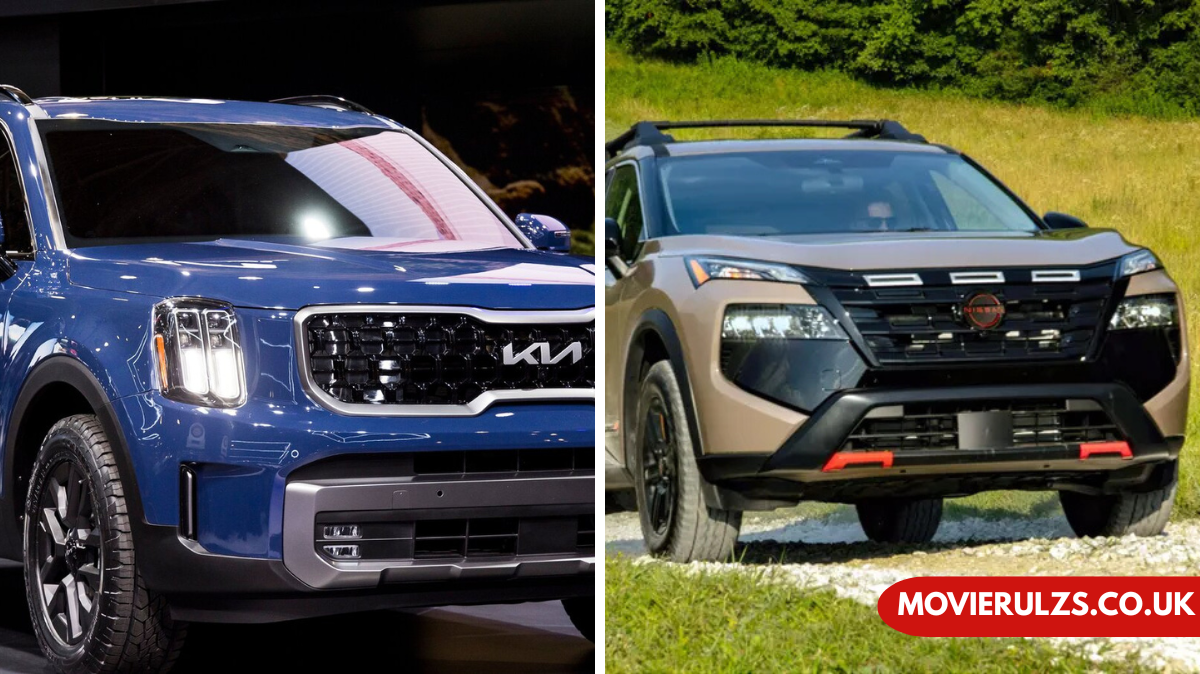
Defective mechanical components—such as suspension links, steering systems, or seat frames—can compromise vehicle control or occupant safety. For instance, the Kia Telluride was recently recalled due to a faulty seatback frame that could fail in a collision.
Engine and Powertrain Issues
Engine and transmission defects can lead to stalling, overheating, or catastrophic failure. The Nissan Rogue, for example, was recalled in the U.S. for engine issues, including elevated oil temperatures and faulty throttle bodies, which could result in loss of power or engine seizure.
Fuel System and Fire Risks
Fuel leaks or overheating components can pose fire hazards. Hybrid and electric SUVs are particularly susceptible to battery-related recalls. The Subaru Crosstrek Hybrid and Forester Hybrid faced recalls for fuel cap defects that could allow fuel leakage under high temperatures.
Electronics and Software Failures
Modern SUVs rely heavily on software for driver-assistance systems, braking, and infotainment. A major Ford Expedition and Lincoln Navigator recall involved nearly 4.4 million vehicles due to a software issue in the trailer control module, affecting braking and lighting while towing.
Safety Restraint Failures
Airbags, seatbelts, and other restraint systems are vital for occupant protection. Faults in these systems, such as airbags that may not deploy, can prompt large-scale recalls due to their direct impact on safety.
Notable Recent SUV Recalls

Recent years have seen several high-profile SUV recalls that illustrate the diversity and seriousness of safety concerns.
Nissan Rogue Engine and Throttle Body Recall
Nissan issued a recall for approximately 642,698 Rogue SUVs in the U.S. due to engine and throttle body issues. The defect could result in engine seizure or loss of power, posing risks during driving.
Subaru Hybrid Fuel System Recall
Subaru recalled nearly 71,207 Crosstrek Hybrid and Forester Hybrid SUVs due to a faulty fuel cap seal. The defect could lead to fuel leakage and increase the risk of fire. Owners were advised to park outside and limit fuel levels until repairs.
Ford Trailer Module Software Recall
Ford recalled millions of SUVs and trucks, including the Expedition and Lincoln Navigator, due to software defects in the trailer module affecting braking and lighting. Dealers are providing software reprogramming or over-the-air updates to correct the issue.
Kia Telluride Seatback Frame Recall
Kia recalled over 85,000 Telluride SUVs due to a defective front seat frame that may not adequately restrain occupants in a crash.
BMW X3 Steering Issue
BMW recalled nearly 37,000 X3 SUVs from 2025–2026 due to software issues that could cause unintended steering while stationary.
GM Transmission Recall
General Motors recalled approximately 43,000 SUVs (Chevrolet, GMC, Cadillac) for transmission defects affecting vehicle performance and safety.
How SUV Recalls Are Identified and Handled
Detection and Reporting
Recalls usually originate from manufacturer testing, warranty claim analysis, or consumer complaints. Once a potential defect is identified, manufacturers report it to regulatory agencies like the NHTSA in the U.S., which evaluates the issue and mandates corrective action if necessary.
Owner Notification
Affected SUV owners are notified directly, typically via mail, with details on the defect, associated risks, and how to obtain a repair at no cost. Public databases allow owners to check for open recalls using their VIN.
Repairs and Remedies
Recall remedies can include part replacement, software updates, or structural modifications. Many software-related recalls now utilize over-the-air updates, while mechanical or structural fixes require dealership service.
Public Awareness
Maintaining awareness of recalls is critical. Manufacturers and regulators often use media announcements, websites, and VIN lookup tools to ensure that owners know if their SUV is affected.
Misconceptions About SUV Recalls
Many drivers misunderstand recalls. Common myths include:
- “Only old or cheap SUVs get recalled.”
Recalls affect vehicles across all price ranges and ages, including new luxury SUVs and electric models. - “A recall means the SUV is unsafe to drive immediately.”
Not all defects pose immediate risk. Some are precautionary, but owners should address all recalls promptly. - “Recalls are rare.”
Millions of vehicles are recalled each year due to the increasing complexity of modern vehicles.
Steps SUV Owners Should Take
Owners can protect themselves by:
- Checking for Recalls Regularly: Use VIN lookup tools provided by safety regulators.
- Scheduling Repairs Promptly: Take recall notices seriously and act quickly.
- Following Interim Safety Guidance: Some defects require temporary precautions, such as avoiding certain driving conditions.
- Keeping Documentation: Maintain records of recall repairs alongside routine maintenance.
- Consulting Experts: Contact dealerships or manufacturer customer service for questions about specific recalls.
Trends Shaping SUV Recalls
Increasing Software Reliance
As SUVs adopt advanced driver-assistance systems (ADAS) and connected features, software-related recalls are growing. The Ford trailer module recall demonstrates the importance of robust software design.
Electrification and Battery Safety
Hybrid and electric SUVs introduce battery-related risks, including overheating and fire potential. Effective quality control and rapid recall response are essential as electrification expands.
Over-the-Air Updates
OTA updates streamline recall remedies for software defects but require secure implementation to avoid cybersecurity risks.
Conclusion
SUV recalls are vital safety mechanisms ensuring that vehicles perform as intended and protecting drivers, passengers, and the public. They result from engineering, manufacturing, or software defects, and they affect vehicles across all brands and price points. Recent recalls—ranging from Nissan Rogue engine issues to Ford’s massive trailer module software recall—demonstrate the diversity of challenges in modern SUV design.
Staying informed, responding promptly to recall notices, and following safety guidance are essential for every SUV owner. Recalls are not inconveniences—they are life-saving interventions that maintain trust between manufacturers, regulators, and drivers. By understanding and acting on SUV recalls, owners can ensure their vehicles remain safe, reliable, and compliant with evolving safety standards.


