gen z waging war sandwichesThe UK is in the midst of a lunchtime revolution. Across cities from London to Manchester, young people are redefining what it means to eat a simple meal. The phenomenon known as gen z waging war sandwiches is sweeping social media and lunch tables alike. From sushi-inspired fillings to bold global flavors, gen z waging war sandwiches are not just meals—they are statements of creativity, identity, and culture. Curiosity and controversy collide as this trend challenges tradition, sparks online debates, and leaves food lovers both excited and bewildered.
Gen Z Waging War Sandwiches: The Cultural Flashpoint
The rise of gen z waging war sandwiches signals more than just a change in taste. Gen Z has rejected classic fillings like ham and cheese, opting instead for exotic ingredients such as kimchi, brie, and spicy sauces. Surveys indicate that over 70% of UK Gen Zers have experimented with creative sandwich combinations, proving that gen z waging war sandwiches reflect a generation eager to push culinary boundaries.
Critics argue that gen z waging war sandwiches are overly “woke” or even disrespectful to tradition, yet defenders see them as playful innovation. These sandwiches have ignited debates across social media platforms, proving that what seems like a lunchtime snack can quickly become a cultural flashpoint, representing the values, creativity, and individuality of young Brits.
From Classic to Creative: What’s on Gen Z’s Plate
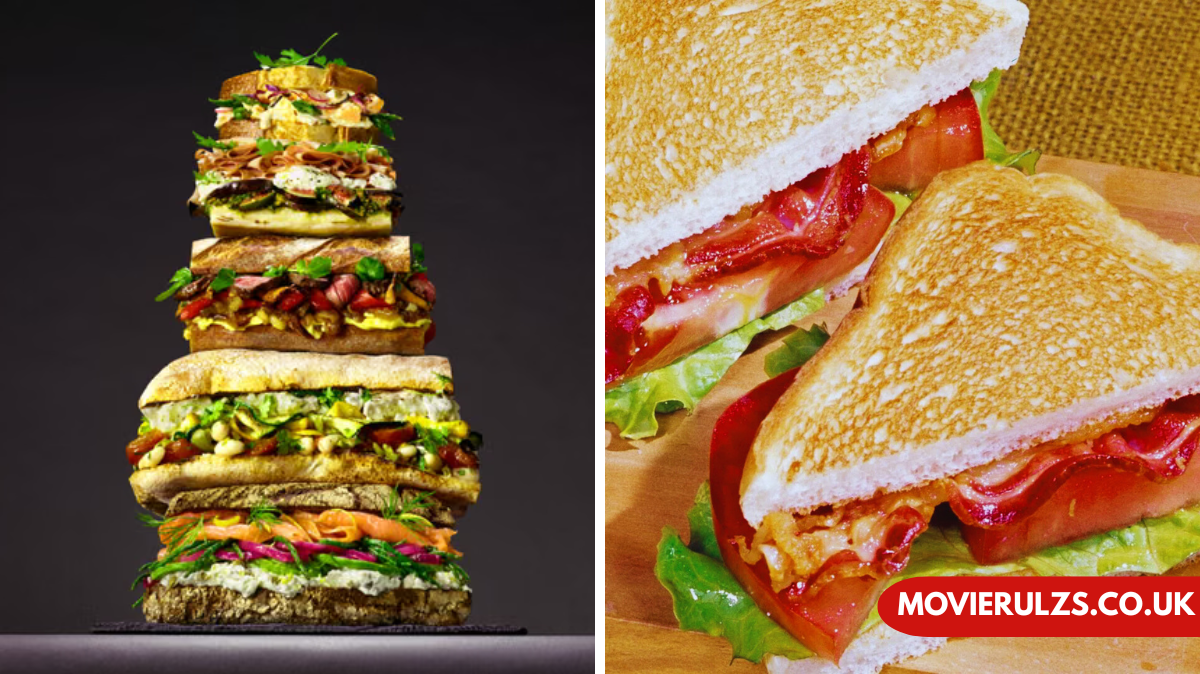
Cafes and home kitchens are transforming as gen z waging war sandwiches dominate menus and social feeds. Traditional sandwiches now share space with fusion creations, such as roast dinner sandwiches, mac & cheese rolls, or sushi-inspired wraps. Each iteration of gen z waging war sandwiches becomes a canvas for creativity, turning ordinary bread into Instagram-worthy masterpieces.
Social media fuels the trend, allowing new variations of gen z waging war sandwiches to go viral within hours. With every post shared, the sandwiches evolve, and the culinary experiment spreads across communities. This generation doesn’t just eat; they document, share, and interact with food in ways previous generations never did.
Why Gen Z Waging War Sandwiches Matter
Gen z waging war sandwiches aren’t just about taste—they reflect a generation’s identity and priorities. Food has become a medium of self-expression, and sandwiches are now statements of personality, creativity, and cultural awareness. By experimenting with flavors and presentation, Gen Z asserts its unique perspective on dining and social trends.
Brands and food vendors are taking notice. Businesses that embrace the trend by offering bold, imaginative options find success, while traditional sandwich shops face pressure to innovate. The influence of gen z waging war sandwiches is reshaping UK lunch culture and redefining consumer expectations in a highly competitive market.
Social Media’s Role in Gen Z Waging War Sandwiches
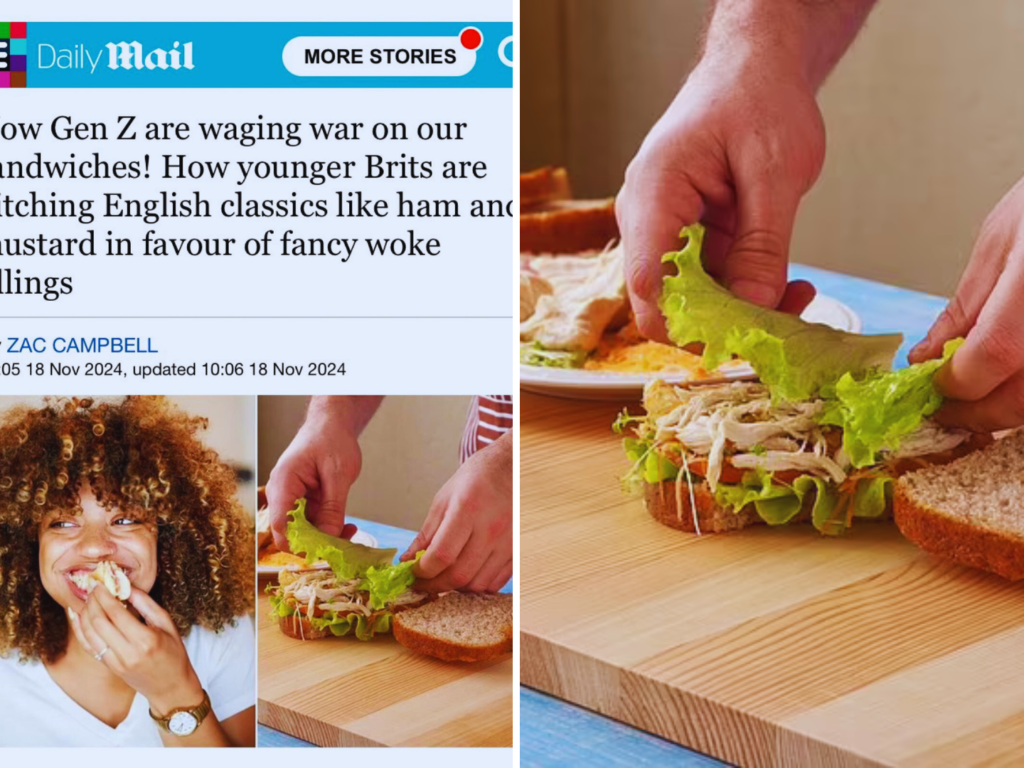
Digital platforms are central to the rise of gen z waging war sandwiches. TikTok, Instagram, and YouTube are full of tutorials, viral trends, and creative challenges centered on these sandwiches. Young consumers seek not only taste but visual impact, which drives the popularity of gen z waging war sandwiches and spreads them faster than ever before.
Presentation matters as much as flavor. Colorful layers, unexpected textures, and imaginative plating make gen z waging war sandwiches highly shareable, amplifying their reach and cementing the trend as a key part of Gen Z food culture.
Nutrition and Lifestyle: More Than Just a Trend
Despite their creativity, gen z waging war sandwiches often balance indulgence with health. Lean proteins, fresh vegetables, and artisanal bread feature heavily, reflecting Gen Z’s emphasis on wellness without sacrificing bold flavor. These sandwiches are as much about lifestyle and nutrition as they are about social media virality.
The trend shows that Gen Z treats food as fuel and self-expression. Each gen z waging war sandwich conveys values, creativity, and personality, while also reflecting a desire for quality, nutrition, and sustainability in everyday meals.
The Sandwich Wars: Criticism, Culture, and Conversations
The term gen z waging war sandwiches itself sparks debate. Traditionalists see it as an attack on British culinary heritage, while younger generations celebrate the innovation, creativity, and cultural exploration embedded in these meals. The discussion surrounding gen z waging war sandwiches highlights generational divides, cultural commentary, and the evolving role of food in society.
Whether celebrated or criticized, gen z waging war sandwiches show that food is more than nourishment—it’s a dialogue, a statement, and a reflection of modern UK culture. These sandwiches are a platform for conversation, creativity, and even controversy.
What’s Next for Gen Z Waging War Sandwiches
As the popularity of gen z waging war sandwiches grows, we can expect more fusion flavors, bold ingredient combinations, and inventive presentations. Cafes, street vendors, and food brands that embrace the trend will thrive, while traditional options must adapt to remain relevant.
Ultimately, gen z waging war sandwiches are transforming the UK’s lunch culture. They are bold, expressive, and revolutionary—a reminder that even a simple sandwich can redefine taste, creativity, and identity. Try one, share your creation, and experience the movement shaping Britain’s lunchtime tables today.