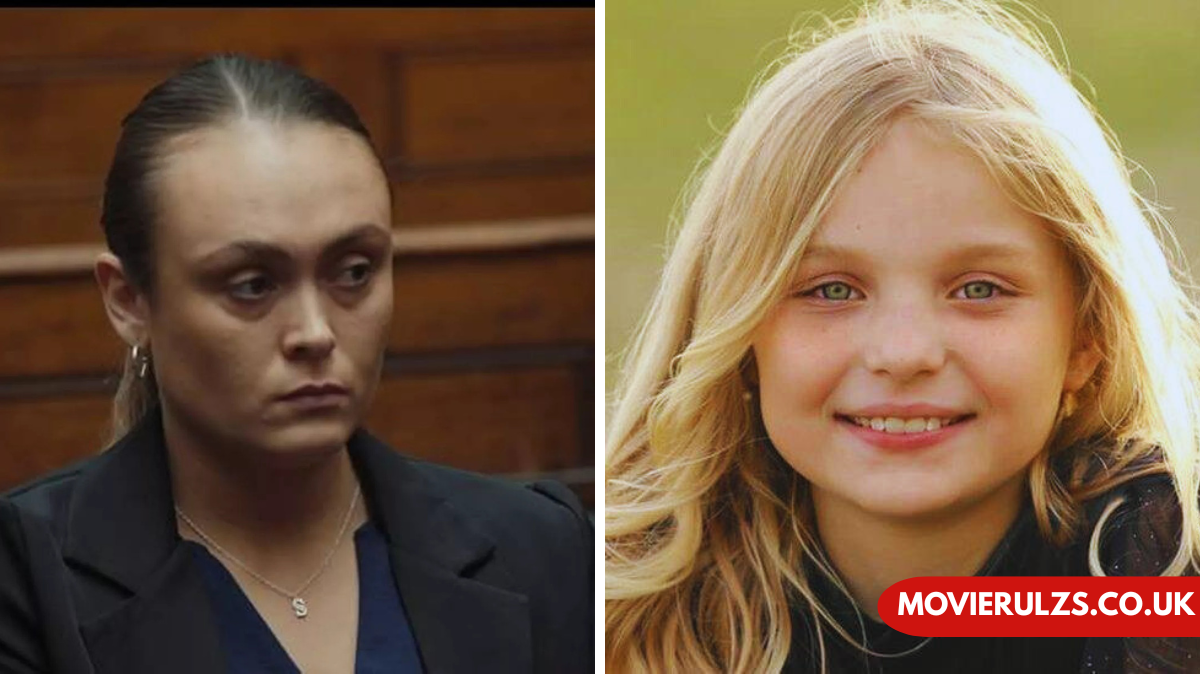
The Sophie Fairlow verdict has become one of the most talked-about legal topics in 2025. Following the Channel 4 documentary series The Jury: Murder Trial, ordinary citizens acting as jurors were asked to decide a real-life case reenactment. The outcome, known as the Sophie Fairlow verdict, sparked debates about justice, self-defense, and how modern juries operate. In this article, we explore the full story behind the Sophie Fairlow verdict, what the jury decided, and why it matters.
What Is The Jury: Murder Trialand Its Connection to the Sophie Fairlow Verdict?
The Jury: Murder Trial is a unique Channel 4 documentary series that recreates real criminal trials. Actors play the roles of judges, lawyers, and witnesses, while ordinary citizens act as jurors. This experiment allows viewers to see how non-professionals interpret evidence and deliver a verdict.
The series provides the backdrop for the Sophie Fairlow verdict, which revolves around a woman accused of killing her partner under contested circumstances. The TV reenactment maintains accuracy to real UK court proceedings while changing names to protect privacy. The Sophie Fairlow verdict illustrates how jurors wrestle with concepts like intent, reasonable doubt, and self-defense.
Who Is Sophie Fairlow?
It’s important to note that Sophie Fairlow is not a real name. The TV show uses pseudonyms, but the case behind the Sophie Fairlow verdict is based on actual UK court records. Sophie Fairlow represents a woman accused of stabbing her partner during a domestic dispute.
The scenario presented in the show included:
- Sophie allegedly stabbing her partner during a heated argument.
- Her claim of self-defense, citing fear for her life.
- The prosecution arguing that the force used was excessive.
- A jury of ordinary citizens evaluating the evidence to reach a verdict.
The Sophie Fairlow verdict provides a window into how jurors handle complex evidence and emotional testimony.
Trial Details Leading to the Sophie Fairlow Verdict
Jurors watched a detailed reenactment of the trial with actors portraying courtroom participants. Key evidence influencing the Sophie Fairlow verdict included:
- Defendant’s Testimony: Sophie explained the events, emphasizing self-defense.
- Witness Statements: Friends and neighbors testified about the couple’s relationship.
- Forensic Evidence: Medical reports confirmed the severity of injuries.
- Legal Guidance: Jurors received instructions on differentiating murder from manslaughter.
The jurors had to weigh conflicting accounts while understanding legal terms—central to the eventual Sophie Fairlow verdict.
What Was the Sophie Fairlow Verdict?
After careful deliberation, the jury reached a decision: manslaughter instead of murder. The Sophie Fairlow verdict means:
- Sophie Fairlow caused her partner’s death.
- Jurors found insufficient evidence of intent for murder.
- Self-defense claims were partially accepted but considered excessive.
This decision illustrates the jury’s challenge in interpreting both evidence and legal definitions of intent, ultimately shaping the Sophie Fairlow verdict.
Why the Sophie Fairlow Verdict Matters
The Sophie Fairlow verdict is significant because it highlights:
1. Jury Complexity
The case demonstrates the difficulty ordinary citizens face when evaluating complex legal concepts without formal training.
2. Personal Experience Influences Decisions
Jurors admitted their backgrounds and experiences impacted how they interpreted testimony, showing the human element behind the Sophie Fairlow verdict.
3. Public Debate on Justice
The verdict sparked discussions about whether jury systems are suitable for modern trials, particularly in domestic violence cases.
4. Raising Awareness
The Sophie Fairlow verdict encourages public dialogue on self-defense, manslaughter, and the responsibilities of jurors.
Public Reactions to the Sophie Fairlow Verdict
The Sophie Fairlow verdict has divided public opinion:
- Supporters praised the jury for careful deliberation, noting that manslaughter reflects the complexities of domestic cases.
- Critics argued that jurors may have been swayed by sympathy or emotion, questioning if ordinary people can consistently deliver justice.
This reaction emphasizes how the Sophie Fairlow verdict goes beyond television and encourages debate on real-world jury effectiveness.
Lessons From the Sophie Fairlow Verdict
The Sophie Fairlow verdict teaches us:
- Juror decisions are inherently human and influenced by emotion.
- Legal complexity requires thorough understanding, even for jurors.
- Cases involving self-defense are difficult to evaluate objectively.
- Media coverage of trials can educate the public about legal proceedings.
The Sophie Fairlow verdict underscores the challenges in applying legal standards fairly and consistently.
Manslaughter vs Murder and the Sophie Fairlow Verdict
Many viewers were curious why the jury chose manslaughter over murder in the Sophie Fairlow verdict.
- Murder: Requires proof of intent to kill.
- Manslaughter: Applied when death occurs without clear intent, often in cases of provocation or self-defense.
Jurors felt there was reasonable doubt about Sophie’s intent, which led to the Sophie Fairlow verdict being manslaughter.
Key Takeaways From the Sophie Fairlow Verdict
- Sophie Fairlow’s case was a pseudonym-based reenactment reflecting real UK trial facts.
- The jury found her guilty of manslaughter, not murder, emphasizing intent.
- Personal experiences and emotions influenced the jury.
- The Sophie Fairlow verdict sparks broader debate about jury reform and public understanding of justice.
FAQ: Sophie Fairlow Verdict
1. Is Sophie Fairlow a real person?
No, Sophie Fairlow is a pseudonym. The case is based on real UK court records, but names were changed to protect privacy.
2. What was the Sophie Fairlow verdict?
The jury found Sophie Fairlow guilty of manslaughter, reflecting that intent for murder was not proven beyond reasonable doubt.
3. Why is the Sophie Fairlow verdict significant?
It shows how ordinary jurors interpret complex evidence and weigh self-defense claims, providing insight into jury decision-making.
4. How does manslaughter differ from murder in the context of the Sophie Fairlow verdict?
Murder requires intent to kill, whereas manslaughter occurs without clear intent. The Sophie Fairlow verdict reflects this distinction.
5. Does the TV show accurately depict trials for the Sophie Fairlow verdict?
The show recreates the case faithfully using court transcripts, but the format simplifies some procedures for television while keeping the essence of the Sophie Fairlow verdict.
Final Thoughts on the Sophie Fairlow Verdict
The Sophie Fairlow verdict offers a rare insight into how justice is perceived and delivered by ordinary citizens. While the case itself is a reenactment, it highlights the human element of jury deliberations. The verdict encourages discussions on legal literacy, jury reforms, and ethical considerations in domestic violence cases.
Whether you agree with the Sophie Fairlow verdict or not, it provides a valuable perspective on how society defines justice and the challenges inherent in the jury system.