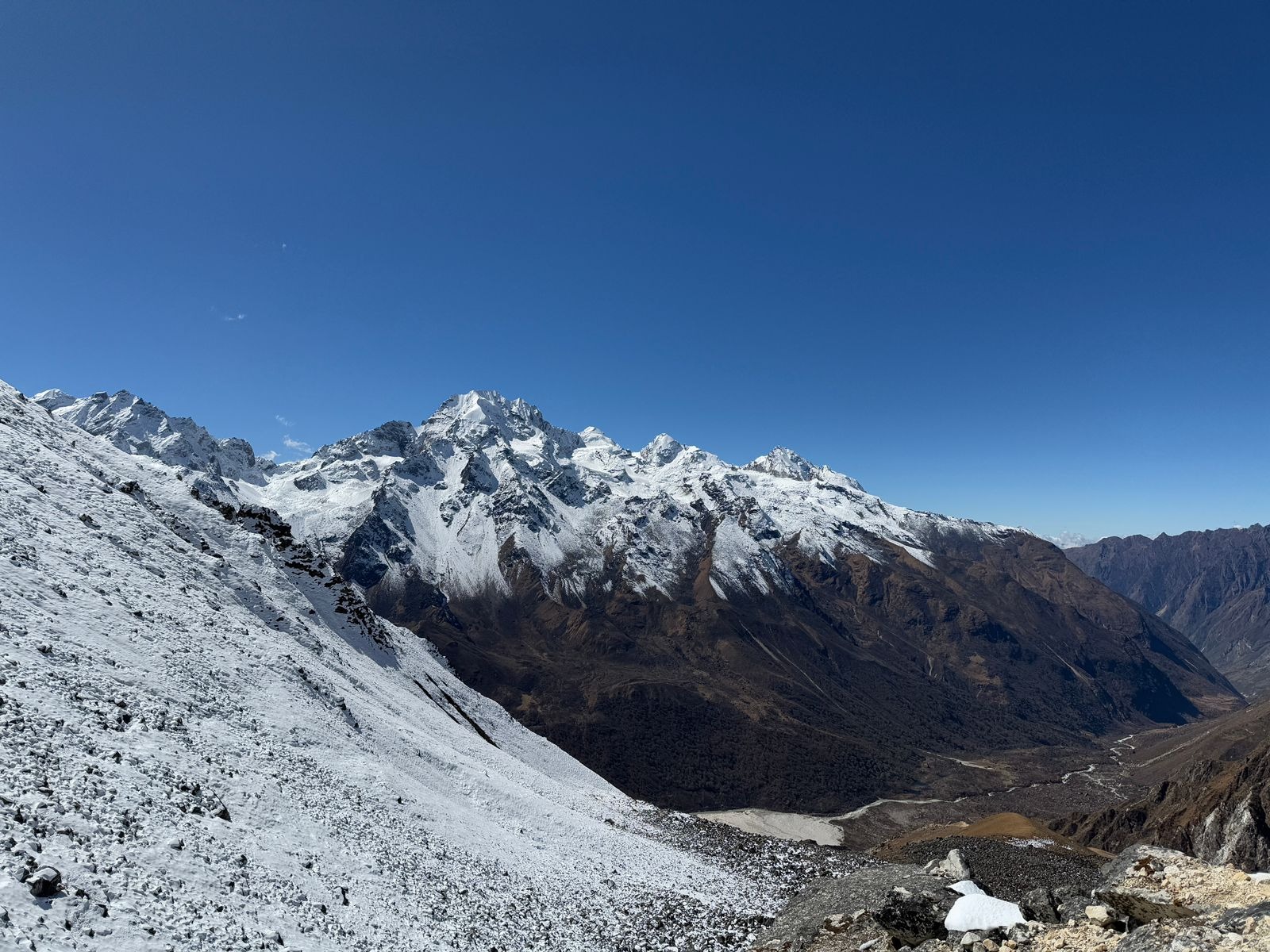
high up at 6,189 meters, Island Peak – known as Imja Tse by locals – stands proud amongst Nepal’s famous climbing locations. Although not the tallest, it brings actual mountain needs, trying out folks who intend better across the Himalayas. Climate shifts rapidly here, so timing the pinnacle push right makes all the difference.
In place of guessing, teams rely upon precise forecasts and body readiness to pick their second. by using 2026, situations may also shift slightly, requiring even closer interest in wind, snow, and temperature trends. Despite strong training, progress relies heavily on how properly each organization syncs relaxation, altitude advantage, and path movement. Success often hides in these details, not just strength or speed.
What a Summit Window Means
A short stretch near the top comes when light, safe snow, and calm skies meet just right. That moment tends to show up before rains arrive – often between late April and early June – or after, during September through November. For 2026, looking back at past winds, ice shifts, and heat patterns gives mountaineers clearer clues about quieter times atop. When storms fade, sliding snow settles, and gusts drop low – that’s when paths open best. Moving then lowers danger, lifts chances of reaching high ground, and brings steadier steps underfoot.
Analyzing 2026 Weather Trends
Weather changes matter more now on Himalayan climbs, with 2026 likely continuing the pattern. Because of this, knowing what to expect before and after the monsoon season helps shape plans. Clearer skies often appear in morning hours, along with better snow stability, whereas clouds or storms tend to build later.
Yet predictions improve when forecast models combine insights from seasoned Nepali climbers. Climbers who track conditions ahead of time gain flexibility, shifting schedules to stay out of harm’s way. So preparation ties closely to real-time shifts seen during the approach phase.
Adding Acclimatization to the Summit Window
Climbing high peaks means giving your body time to adjust. Midway stops, like Base Cam, allow people to move slowly upward while resting. Often, hiking up and down from these stops helps the lungs cope with thin air. Timing the last climb just right makes a difference when energy counts most. Waiting for the best stretch of weather that fits around how fast each person adapts. Fewer problems happen if the body has had enough exposure beforehand. Strength stays higher when changes happen step by step. The top becomes reachable once fatigue is kept under control through patience.
Team Coordination and Summit Scheduling
When one person is ready, others might still need time – matching those moments shapes the climb. Because bodies adapt at different speeds, waiting can mean success instead of risk. A rope team moves together, yet each step depends on trust built long before reaching the ice. If someone hesitates, plans shift quietly without blame or pressure. Weather waits for no one, but rushing breaks more than rhythm. Decisions made early in daylight often hold stronger by nightfall.
Crossing gaps in snow demands timing, yes, but also patience handed from one to another. Climbers don’t follow a schedule so much as grow into it, like breath syncing in thin air. What looks like perfect conditions may not suit everyone standing beneath the peak. Success isn’t measured just by arrival, but by who arrives without being pushed too far.
Watching glaciers and paths
Climbing Island Peak means moving across glaciers, tackling sharp snowfields, then dealing with stretches that mix rock and ice. When the sun beats down hard, when nights stay warm, or fresh powder falls thick, cracks in the glacier shift – timing matters because of this. Before pushing upward, checking how things look helps figure out where ropes should go, who pairs up, and what gear gets used most. Updates from seasoned courses arrive gradually – they cartoon a picture of safety, trace at pauses, propose turning back, or verify it’s time to upward push.
Adapting to climate change at high elevations
Up top, even during the clearest stretch of the season, storms display up without warning. Winds howl one minute, then vanish – snow might start falling hard by afternoon. A drop in warmth changes everything fast, so plans shift on instinct more than schedules. Waiting it out could mean adding days, which means carrying more meals, gas for stoves, and room inside tents. Staying put when needed keeps everyone alive and thinking straight. When the route adapts as conditions change, decisions follow what the peak throws at them.
Logistics and Resource Management
Timing a shot at the peak means lining up every detail behind the scenes. High-energy meals, drinking water, gas canisters for heating snow, and ropes or harnesses need placement ahead of time – both at the bottom stop and farther up the slope. Getting everything ready beforehand lets people move fast when weather clears, skipping extra danger from delays.
Sorting packs, scheduling trips to stock upper camps, plus testing radios or satellite phones – all these bits add up to smoother progress toward the top. When supplies flow right, minds stay sharp on footwork instead of scrambling for spare parts or lost plans.
Mental Readiness and When to Act
Ready in body isn’t enough – clarity of mind shapes when you climb. Patience grows alongside sharp choices, clear views of danger. A flawless moment might feel just out of reach, yet pushing ahead without it risks too much. Talks within the team matter, along with reading storms and knowing personal edges. Picking that day ties together safety, chance, and results. Steady thinking holds equal weight to rope work or ice axes when timing the peak push.
Final Thoughts
Timing a shot at Island Peak in 2026 means lining up forecasts, body adjustment to thin air, group rhythm, path checks, plus mental sharpness. Because knowing when the weather might allow a push – and building that into the full trip outline – helps avoid danger while boosting odds of making the top.
Staying loose on plans, reacting fast to shifts, along with solid prep work, lets people handle what altitude throws their way. For anyone setting sights on this peak next go-around, syncing these moments right turns something dangerous into a move made with purpose across snowy heights. When conditions are honored, teammates match pace, and hiccups get room to breathe, the last stretch feels less like a gamble, more like earned ground beneath boots.