Introduction
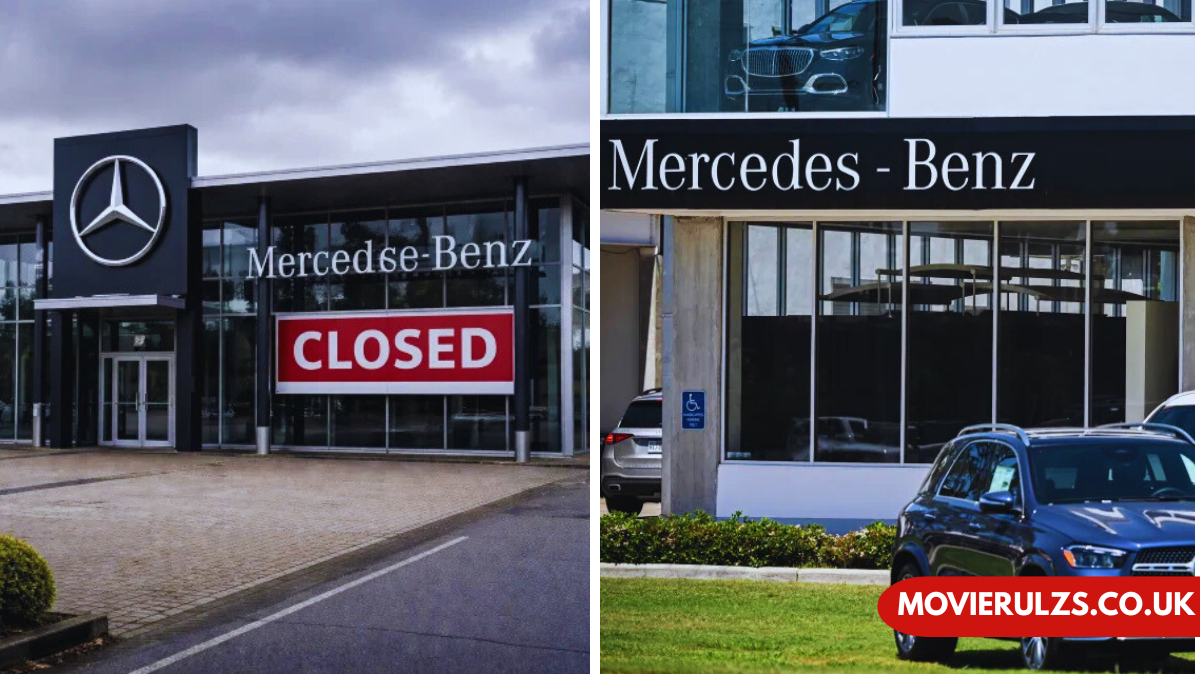
The topic of mercedes-benz uk dealerships closure has sparked widespread discussion among car buyers, industry professionals, and market analysts. At first glance, the phrase suggests a dramatic retreat of one of the world’s most prestigious automotive brands from the UK market. However, the reality is far more complex and reflects a broader transformation within the global automotive industry.
Rather than representing a collapse or withdrawal, the mercedes-benz uk dealerships closure story is about strategic restructuring. It signals a shift away from traditional dealership ownership toward a more modern, digitally integrated retail model. This change is rooted in evolving customer expectations, financial realities, and a long-term vision for the future of car buying.
In this in-depth article, we will explore what the closures वास्तव में mean, why they happened, how they affect customers and employees, and what they reveal about the future of automotive retail in the UK.
What Does Mercedes-Benz UK Dealerships Closure Mean?
The phrase mercedes-benz uk dealerships closure can be misleading if interpreted literally. Mercedes-Benz has not abandoned the UK market, nor has it stopped selling vehicles. Instead, the closures primarily refer to the shutdown of the company-owned dealership network, previously known as the Mercedes-Benz Retail Group.
This retail group operated a number of directly owned dealerships across major UK cities. Over time, however, the model became increasingly unsustainable due to rising operational costs and changing market dynamics.
As a result, many of these dealerships were:
- Sold to independent dealer groups
- Rebranded under new ownership
- Converted into agency-model retail locations
- In some cases, permanently closed
Importantly, the physical presence of Mercedes-Benz in the UK remains strong. Customers can still access showrooms, service centres, and online purchasing options across the country.
Why Did Mercedes-Benz Close Its UK Dealerships?
Financial Challenges and Profitability Issues
One of the most significant factors behind the mercedes-benz uk dealerships closure was the financial performance of the company-owned retail network. Running dealerships is capital-intensive, and the costs can be difficult to sustain in a competitive market.
Key financial pressures included:
- High property and rental costs in prime locations
- Staffing expenses and commission structures
- Inventory risks tied to unsold vehicles
- Rising operational and energy costs
Over several years, these factors contributed to ongoing losses, prompting Mercedes-Benz to reconsider its approach.
Changing Consumer Behavior
Modern car buyers are very different from those of a decade ago. Today’s customers are more informed, digitally savvy, and less interested in traditional sales processes.
Key shifts in consumer behavior include:
- Extensive online research before visiting a showroom
- Preference for transparent, fixed pricing
- Reduced interest in negotiation
- Desire for convenience, including home delivery
The traditional dealership model, which relies heavily on in-person interaction and price negotiation, no longer aligns with these expectations.
Strategic Shift Toward Efficiency
The mercedes-benz uk dealerships closure is also part of a deliberate global strategy. Mercedes-Benz aims to streamline its operations, reduce costs, and increase profitability per vehicle.
This includes:
- Reducing direct ownership of retail outlets
- Centralising pricing and inventory control
- Strengthening its digital sales infrastructure
- Enhancing brand consistency across markets
This transformation allows the company to focus on manufacturing, innovation, and customer experience rather than managing retail operations.
The Agency Model: A New Way to Sell Cars
Understanding the Agency Model
At the heart of the mercedes-benz uk dealerships closure is the adoption of the agency model—a modern retail approach that changes how vehicles are sold.
Under the traditional model:
- Dealers buy cars from the manufacturer
- Dealers set their own prices
- Profits depend on negotiation and margins
Under the agency model:
- Mercedes-Benz owns the vehicles
- Prices are fixed nationwide
- Dealers act as agents and earn a commission
This shift gives the manufacturer greater control over pricing, branding, and customer experience.
Benefits of the Agency Model
Transparent Pricing
Customers no longer need to negotiate. Prices are fixed and consistent across all locations, making the buying process more straightforward.
Improved Customer Experience
With a more standardised approach, customers receive a consistent experience whether they shop online or visit a physical location.
Reduced Risk for Dealers
Dealers no longer need to invest heavily in vehicle inventory, reducing financial risk and improving cash flow.
Integration with Digital Platforms
The agency model supports online purchasing, allowing customers to complete much of the buying process from home.
Which Dealerships Were Affected?
The mercedes-benz uk dealerships closure primarily impacted company-owned locations in major urban centres.
Some outcomes included:
- Permanent closure of underperforming sites
- Sale of dealerships to established dealer groups
- Rebranding under the new agency model
While some physical sites disappeared, many continue to operate under new ownership, ensuring continued access for customers.
Impact on Customers
Buying a Mercedes-Benz Today
For customers, the experience has evolved but remains accessible. Buyers can now:
- Browse and purchase vehicles online
- Visit agency partners for test drives and support
- Benefit from fixed, transparent pricing
The process is more streamlined, combining digital convenience with in-person assistance when needed.
Servicing and Maintenance
Despite the mercedes-benz uk dealerships closure, servicing remains widely available.
Customers can still:
- Book maintenance through authorised centres
- Access certified technicians
- Use genuine parts
- Maintain warranty coverage
This ensures continuity and reliability for existing vehicle owners.
Changes in Pricing Dynamics
One noticeable difference is the shift away from negotiation. While this may disappoint some buyers, it also eliminates uncertainty and ensures fairness.
Pricing is now:
- Consistent nationwide
- Transparent and predictable
- Less influenced by local competition
Impact on Employees and Local Communities
Workforce Adjustments
The mercedes-benz uk dealerships closure has inevitably affected employees.
Changes include:
- Job losses in some locations
- Transition to new roles under independent dealers
- Adjustments to commission-based pay structures
While some staff have been retained, others have faced redundancy as operations were streamlined.
Economic Effects
Dealership closures can have broader implications for local economies.
These may include:
- Reduced employment opportunities
- Changes in commercial property usage
- Potential redevelopment of dealership sites
However, in many cases, dealerships have been taken over by other groups, mitigating the overall impact.
Is Mercedes-Benz Leaving the UK Market?
A common misunderstanding surrounding the mercedes-benz uk dealerships closure is that the brand is exiting the UK. This is not true.
Mercedes-Benz continues to:
- Sell vehicles across the UK
- Invest in electric vehicle technology
- Maintain a network of service centres
- Expand its digital sales capabilities
The company remains a major player in the UK automotive market.
Broader Industry Trends
The changes behind the mercedes-benz uk dealerships closure reflect wider industry developments.
Digital Transformation
Online car buying is becoming the norm, reducing the need for large physical dealership networks.
Electrification
The shift to electric vehicles requires new investments, encouraging companies to optimise costs elsewhere.
Dealer Network Consolidation
Fewer, larger dealer groups are replacing smaller, independent dealerships.
Adoption of Agency Models
Other manufacturers are exploring similar models, indicating a long-term shift in the industry.
Advantages and Disadvantages of the New Approach
Advantages
- Simplified buying process
- Transparent pricing
- Consistent customer experience
- Lower financial risk for dealers
Disadvantages
- Limited room for price negotiation
- Potential job losses
- Reduced local flexibility
- Adjustment period for customers
What the Future Holds
The mercedes-benz uk dealerships closure is not an isolated event but part of a broader transformation in automotive retail.
In the future, we can expect:
- Greater reliance on online platforms
- Smaller, experience-focused showrooms
- Increased use of digital tools and virtual consultations
- Continued consolidation of dealership networks
The role of physical dealerships will evolve from sales hubs to customer experience centres.
FAQ: Mercedes-Benz UK Dealerships Closure
What is meant by mercedes-benz uk dealerships closure?
It refers to the closure of company-owned dealerships and the transition to a new retail model, not the end of Mercedes-Benz operations in the UK.
Why did Mercedes-Benz close its UK dealerships?
The closures were driven by financial losses, changing consumer behaviour, and a strategic move toward the agency model.
Can I still buy a Mercedes-Benz in the UK?
Yes, vehicles are still widely available through authorised partners and online platforms.
Are servicing and warranties still available?
Yes, all servicing and warranty support continues through authorised centres.
Are prices negotiable now?
No, prices are generally fixed under the agency model, ensuring transparency.
Will more dealerships close in the future?
Further consolidation is possible as the industry continues to evolve.
Conclusion
The mercedes-benz uk dealerships closure represents a significant shift in how one of the world’s leading automotive brands approaches retail. Rather than signaling decline, it highlights a strategic adaptation to modern market realities.
By moving away from traditional dealership ownership and embracing the agency model, Mercedes-Benz is positioning itself for a future defined by digital convenience, operational efficiency, and enhanced customer experience.
For customers, the transition offers a more transparent and streamlined buying process. For the industry, it serves as a clear indicator of where automotive retail is heading.
Ultimately, the mercedes-benz uk dealerships closure is not about the disappearance of dealerships—it is about their transformation into something better suited for the next generation of car buyers.