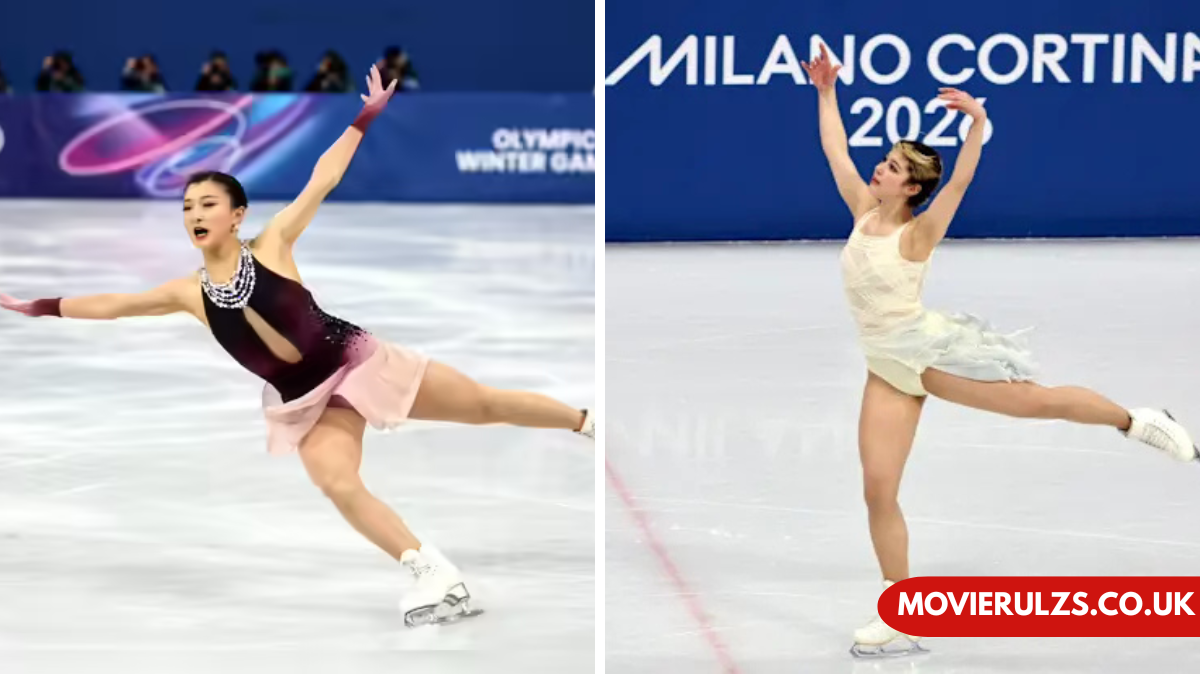
The 2026 Winter Olympics women’s single skating free skating event was one of the most anticipated and exciting competitions of the Milano‑Cortina Games. Taking place at the Milano Ice Skating Arena, this event brought together the top women figure skaters from around the world in a display of athleticism, artistry, and sheer determination. The free skating segment is widely recognized as the defining portion of women’s figure skating, where skaters not only execute technically demanding jumps but also convey emotion, musicality, and style. The 2026 edition delivered memorable performances, historic milestones, and intense competition, making it a highlight of the Winter Olympics.
This article provides a comprehensive overview of the 2026 Winter Olympics women’s single skating free skating, covering its format, the athletes, technical highlights, scoring, results, and the legacy of this unforgettable event.
Understanding the Structure of Women’s Single Skating
In Olympic women’s figure skating, competitors perform in two segments: the short program and the free skate. The short program consists of required elements — including a jump combination, spins, and a step sequence — and is relatively brief, with a time limit of 2 minutes and 40 seconds. Following the short program, the top 24 skaters advance to the free skating segment, where they perform longer, more complex routines of up to four minutes.
The free skating segment is particularly crucial because it carries significant scoring potential and allows athletes to demonstrate both technical difficulty and artistic expression. Skaters can include up to seven jump elements, three spins, and a choreographic sequence, allowing for creativity, interpretation, and performance strategy. Judges award points for technical execution and program components such as skating skills, transitions, performance, composition, and interpretation. The combined total of the short program and free skate determines the final medal standings.
At the 2026 Winter Olympics, this structure created an exciting scenario in which young rising stars, seasoned champions, and returning competitors could challenge each other for the podium, keeping audiences on the edge of their seats.
Preceding the Free Skate: Short Program Recap
Before the free skating final, the short program set the tone for the competition. On February 17, 2026, skaters delivered precision and artistry under the pressure of the Olympic stage. Japanese skater Ami Nakai, a 17-year-old rising star, led the segment with a technically advanced routine that included a successfully executed triple Axel — one of the most challenging jumps in women’s figure skating. Her score put her at the top of the standings and positioned her as a leading contender for gold in the free skate.
Close behind Nakai was Kaori Sakamoto, a three-time world champion and Olympic medalist, whose composed and expressive performance earned her second place. Sakamoto’s experience and consistency made her a favorite to challenge for the top medal. In third place was the United States’ Alysa Liu, a young skater known for her technical ability and expressive performance, who also showcased a strong triple jump combination.
Other notable competitors included Mone Chiba (Japan) and Adeliia Petrosian (Athletes from Neutral Nations), both capable of making significant moves during the free skate. American skaters Isabeau Levito and Amber Glenn also advanced to the free skate, with Glenn overcoming a minor error in the short program that cost her points but still kept her in the top 24. This set up a highly competitive final with several potential medalists.
Key Contenders and Storylines
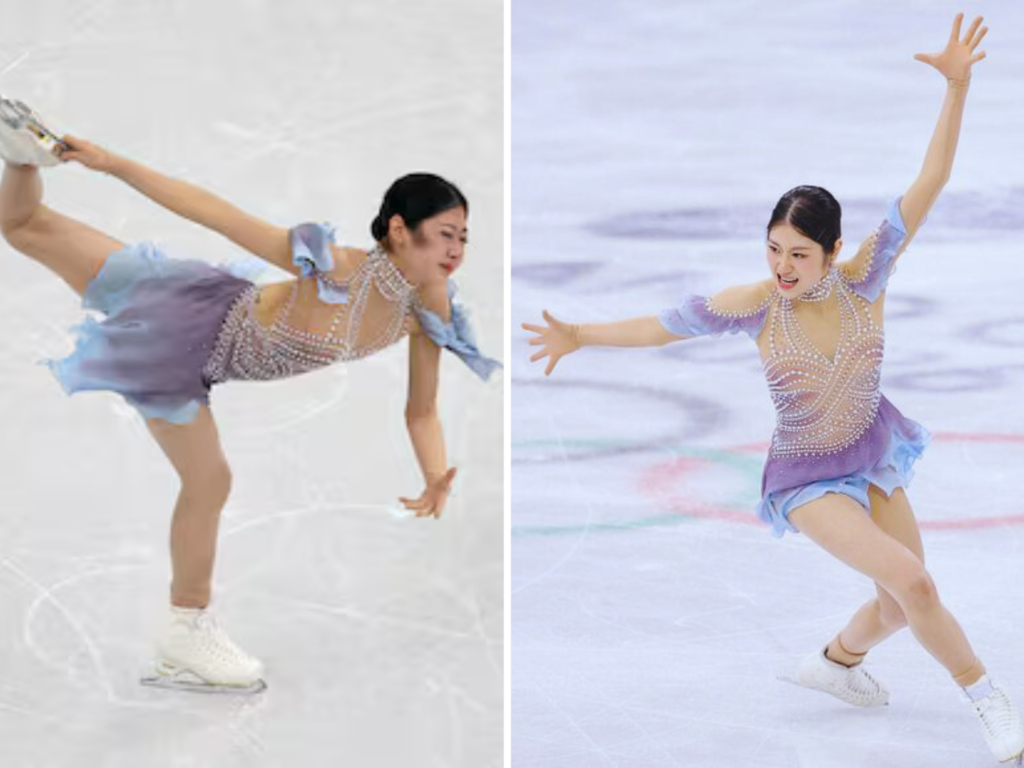
The 2026 Winter Olympics women’s single skating free skating featured a mix of youth and experience, each skater bringing her own strengths and narratives to the ice.
Ami Nakai – Japan’s Rising Star
Ami Nakai entered the free skate with momentum and confidence. Known for her precise jumps and expressive choreography, she had the technical range to execute combinations that could secure gold if performed cleanly. Nakai’s free skate was anticipated to be both technically ambitious and artistically compelling, setting the stage for a historic Olympic debut.
Kaori Sakamoto – Veteran Excellence
Kaori Sakamoto represented experience and consistency. A decorated world champion and previous Olympic medalist, Sakamoto’s routines are known for speed, power, and emotional expression. As this was expected to be her final Olympic appearance, her performance carried personal significance, adding drama to the free skate competition.
Alysa Liu – American Contender
Alysa Liu, returning from a period away from major competitions, brought a combination of high technical difficulty and artistry to the free skate. Her goal was to capture an individual Olympic medal, a feat the United States has not achieved in women’s singles since 2006. Liu’s performance was seen as pivotal not only for her career but also for U.S. representation in the discipline.
Other Athletes
Mone Chiba and Adeliia Petrosian were also strong candidates, capable of executing challenging technical elements and artistic sequences. Meanwhile, skaters like Isabeau Levito and Amber Glenn added depth to the field, emphasizing that the free skate would be competitive and unpredictable.
Highlights of the Free Skating Segment
On February 19, 2026, the women’s single skating free skating began, offering athletes the opportunity to solidify or improve their standings. This segment featured:
- High-value jumps: Skaters executed triple Axels and complex jump combinations, balancing risk with potential scoring rewards. Nakai’s clean execution of jumps set her apart as a technical leader.
- Spins and step sequences: Judges valued precision, flexibility, and creativity in spins and footwork sequences, with Sakamoto showcasing elegant and technically accurate spins that elevated her score.
- Artistic performance: Free skating allows skaters to tell a story on ice. Musical interpretation, choreography, and seamless transitions contributed significantly to overall scoring, emphasizing the importance of artistry alongside technical skill.
The free skate was not just a technical contest but a display of personality, endurance, and strategy. Athletes who balanced risk-taking with performance quality were able to maximize their scores and secure podium positions.
Results of the 2026 Winter Olympics Women’s Single Skating Free Skating
The 2026 Winter Olympics women’s single skating free skating concluded with the following medalists:
- Gold: Ami Nakai (Japan) – Nakai delivered a flawless routine combining high technical difficulty with expressive choreography. Her free skate score, combined with her short program, earned her an overall total surpassing 230 points, marking a historic gold medal victory.
- Silver: Kaori Sakamoto (Japan) – Sakamoto’s elegant and powerful performance secured the silver medal. Her combination of experience, artistry, and technical execution demonstrated why she is considered one of the top athletes in the sport.
- Bronze: Alysa Liu (USA) – Liu executed a well-balanced and expressive free skate that maintained her podium position. Her bronze medal represented a personal milestone and a significant achievement for the U.S. in women’s Olympic figure skating.
Japan’s dominance with both gold and silver medals highlighted the depth of its figure skating program, while Liu’s medal reinforced U.S. competitiveness on the international stage.
Technical and Artistic Analysis
Several aspects of the free skate stood out:
Technical Brilliance
- Clean execution of triple Axels and jump combinations was critical to high scores. Nakai and Liu demonstrated this mastery.
- Spins, step sequences, and transitions were evaluated not only for correctness but for their fluidity, creativity, and integration into the overall performance.
Artistic Expression
- Skaters were judged on musicality, choreography, and emotional storytelling. Sakamoto’s mature style contrasted with Nakai’s youthful energy, creating a diverse showcase of expression.
- Skaters who effectively combined technical elements with expressive movement gained higher program component scores, highlighting the dual importance of athleticism and artistry.
Psychological Resilience
- The free skate is mentally demanding. Athletes who maintained composure under Olympic pressure and delivered consistent performances were rewarded, as mistakes at this stage can dramatically affect medal chances.
Broader Competitive Landscape
Beyond the medalists, several skaters delivered remarkable free skate performances. Mone Chiba, Adeliia Petrosian, and Isabeau Levito showcased both technical skill and artistic creativity, reinforcing the increasing depth and international diversity in women’s figure skating. Amber Glenn’s comeback performance after a short program setback exemplified resilience, underscoring the unpredictability and excitement of Olympic competition.
Legacy of the 2026 Free Skate
The 2026 Winter Olympics women’s single skating free skating left a lasting impact on the sport. Ami Nakai’s gold medal symbolized a generational shift and the rise of new talent in Japanese figure skating. Kaori Sakamoto’s silver medal highlighted the value of experience and consistency at the highest level. Alysa Liu’s bronze represented both personal achievement and a revitalization of U.S. presence in women’s singles.
The competition also reflected broader trends in the sport: athletes are pushing technical limits while integrating artistic and interpretive elements, creating performances that appeal to both judges and global audiences. Future Olympic cycles are likely to see even more ambitious routines as the bar continues to rise.
Conclusion
The 2026 Winter Olympics women’s single skating free skating was a defining moment of the Milano-Cortina 2026 Winter Games. It combined youthful talent, seasoned experience, and international competitiveness in a dramatic display of skill and artistry. Ami Nakai’s historic gold, Kaori Sakamoto’s silver, and Alysa Liu’s bronze exemplified the pinnacle of Olympic figure skating, both in technical mastery and emotional expression.
This event not only determined medal winners but also demonstrated the evolution of women’s figure skating — a sport that balances athletic difficulty with artistic performance, requiring mental fortitude, precision, and creativity. The 2026 free skate will be remembered as a landmark competition, inspiring future generations of skaters and contributing to the rich legacy of Olympic figure skating.
FAQ
1. What is the women’s single skating free skating event?
The women’s single skating free skating is the longer segment of Olympic figure skating where athletes perform a four-minute routine featuring jumps, spins, footwork, and choreography. It is designed to test both technical skill and artistic expression. Scores from the free skate, combined with the short program, determine final Olympic standings.
2. How is the free skate scored?
Skaters are evaluated on two main components: technical elements (jump combinations, spins, and step sequences) and program components (skating skills, transitions, performance, composition, and interpretation). Judges assign a base value for each element, then apply grades of execution to adjust points based on precision, difficulty, and quality. The total free skate score is added to the short program score to determine final placement.
3. Who were the medalists in 2026?
- Gold: Ami Nakai (Japan)
- Silver: Kaori Sakamoto (Japan)
- Bronze: Alysa Liu (USA)
These athletes demonstrated a combination of technical mastery, artistry, and mental resilience, securing their places on the Olympic podium.
4. What made the 2026 free skate historically significant?
Ami Nakai’s gold medal marked a historic Olympic achievement for a 17-year-old skater making her Olympic debut. The event also showcased Japan’s continued dominance in women’s figure skating and represented a major comeback for the United States with Alysa Liu’s bronze. Overall, it highlighted a new generation of elite competitors and set a benchmark for technical and artistic excellence.
5. How many skaters compete in the free skate?
At the Olympics, the top 24 skaters from the short program qualify for the free skate. In 2026, these athletes included a mix of experienced champions, rising stars, and international talents from Japan, the United States, Europe, and neutral athletes.
6. Why is the free skate more important than the short program?
While the short program determines which skaters advance, the free skate carries more points and offers greater flexibility. Skaters can include higher-value jumps and creative choreography, which can significantly impact overall standings. This makes the free skate often decisive in determining medal winners.
7. Which elements are considered most challenging?
High-difficulty jumps like the triple Axel and complex jump combinations are the most technically demanding. Spins, flying spins, and intricate step sequences also contribute to overall scoring. Successful execution requires precision, timing, strength, and artistry.
8. How does the free skate combine athleticism and artistry?
The free skate challenges skaters to balance technical jumps with expressive movement. Judges reward programs that seamlessly integrate athletic elements into choreography, creating a narrative or emotional experience for the audience. Skaters like Kaori Sakamoto and Ami Nakai exemplified this combination in 2026.
9. Can a skater win gold without leading after the short program?
Yes. Because the free skate has significant scoring weight, a skater who performs exceptionally well can surpass competitors who led after the short program. Clean execution of high-value elements and strong artistic performance can change medal outcomes dramatically.
10. Where was the 2026 free skate held?
The women’s single skating free skating event took place at the Milano Ice Skating Arena in Milan, Italy, a venue known for its state-of-the-art ice surface and capacity to host international competitions under Olympic standards.